Free trials are costing Americans $540 a year, on average, survey finds
Unwanted monthly subscription costs can often start with forgotten free trials. Here's how you can make sure your next free trial offer doesn't turn into an...
Some offers on this page are from advertisers who pay us, which may affect which products we write about, but not our recommendations. See our Advertiser Disclosure .
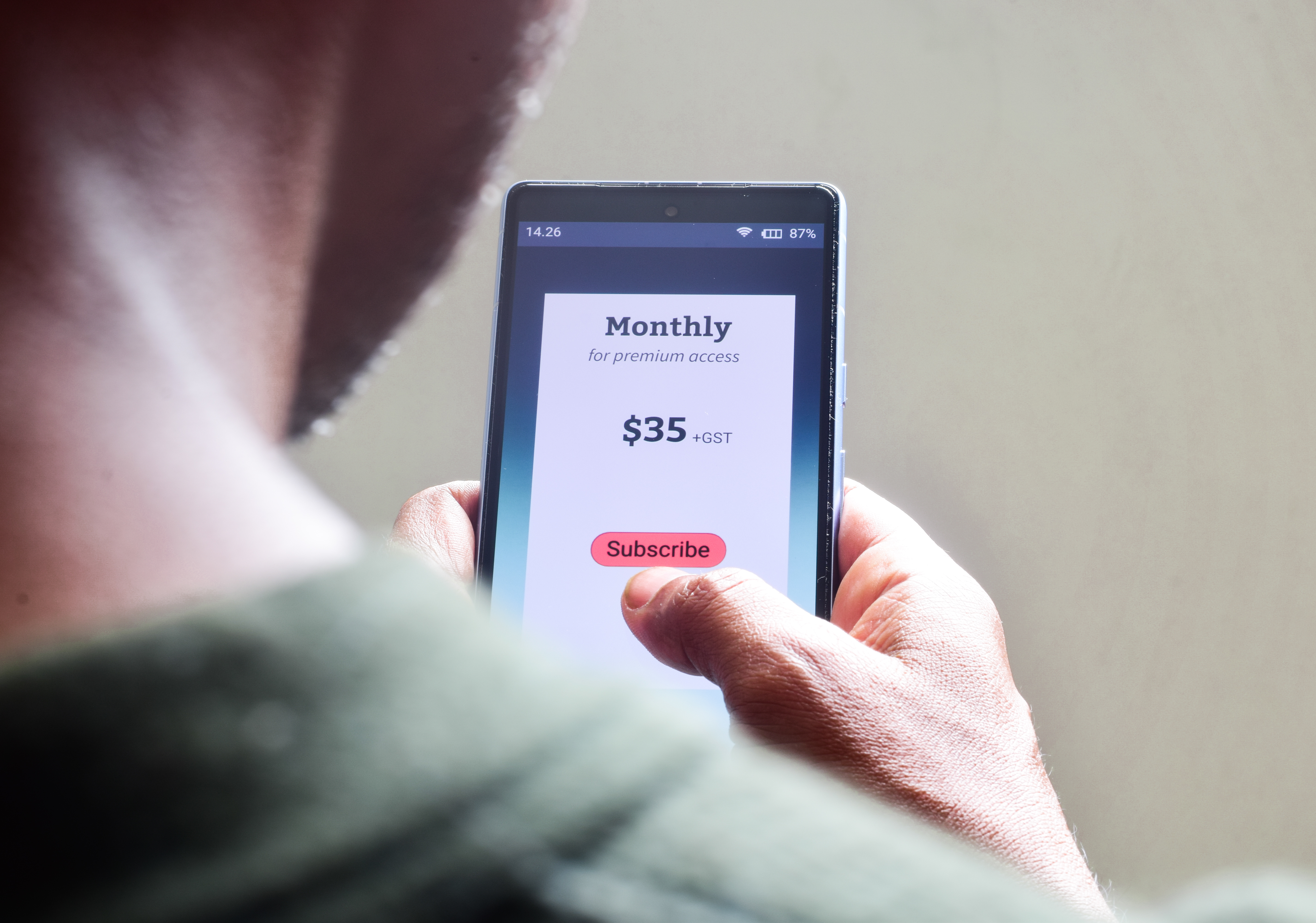
Free trials are a great way to test whether a service or subscription is worth it — but for many Americans, they quickly turn into costly mistakes.
As many as 79% of consumers say they have signed up for a free trial, intended to cancel, then forgot and were charged for the subscription anyway, according to a recent survey from Dimers. The company surveyed 2,000 U.S. consumers about their habits involving free trials and other freebies or discounts.
On average, forgetting about free trials is costing Americans an extra $45 per month, the survey found. That's around $540 per year. In some states, the totals add up even more quickly — Washington averaged $98 per month, for example, while North Carolina spent $90.
"Even with our best intentions, it's so easy to forget," said Andrea Woroch, consumer finance and money-saving expert. "We have so many different subscriptions and trials that we're signing up for, and so many things going on these days that it's easy to overlook and get caught."
These are some of the risks to watch out for when deciding whether to sign up for a free trial.
It's easy to forget about a free trial before it turns into a paid subscription.
"Some companies use free trials to turn you into a long-term customer rather than a trial subscriber," according to the Federal Trade Commission .
Free trial sign-ups often require consumers' credit card information up front. Those who don't unsubscribe by the end of the free trial will get automatically charged for the ongoing subscription cost when the trial period ends. In some cases, free trials can even lock consumers into even more expensive annual subscriptions.
"If you cancel after you're charged, you might now have to wait an entire year to cancel, and not get any of that money back," Woroch said. "So now you're locked in for a longer period of time."
After a free trial, consumers may also be subject to add-on costs or upgrades that result in higher charges than the monthly or annual subscription.
When those extras are unexpected, it ends up costing a lot more than the trial offer implied, said Chuck Bell, advocacy programs director for Consumer Reports. "For example, a digital muscle-building app may also offer an additional subscription for a diet plan. If you don't pay close attention, you might agree quickly to a higher-priced subscription than you expected."
Sometimes, the terms describing these add-ons or extra costs can be hidden deep within the fine print of your user agreement, the FTC warns. As a result, you could enroll to receive other products you didn't want and pay money you didn't budget into your monthly cost.
Depending on the service, free trials can also involve perks like free shipping. Free shipping might even be one of the primary reasons to sign up for a free trial with an online retailer.
But some shoppers are still paying for the benefit of "free" shipping. In many cases, and sometimes even with a subscription or account, you might have to meet a minimum purchase amount to qualify.
According to the Dimers survey, 88% of American consumers have added extra items they didn't need to an online shopping cart just to qualify for free shipping. The extra $20 item you add to your online clothing purchase to avoid a $15 shipping cost may make sense in the moment — but it can quickly add up over time.
Here are a few expert recommendations for avoiding losing money to free trials and paid subscriptions you don't need:
The most important thing consumers can do when signing up for a free trial is to track the end date. Note whether the trial lasts seven days, 14 days, one month, or more — and use that to figure out exactly when the trial will end.
"Set a cancellation reminder in your phone's calendar when you sign up for a free trial," Bell said. "This will prevent you from forgetting and prevent your credit card from being charged."
Instead of a reminder only on the last day, set another one a day or two before. That allows for multiple opportunities to cancel the trial before getting charged.
After forgetting to cancel a free trial and being charged the subscription fee, you can simply ask for your money back.
"If you do get charged and it's not something you're gonna use, if you notice it right away, call the customer service," Woroch said. "You never know. Maybe they can refund you, or at least pro rate the refund."
Many of us likely have existing, unused subscriptions draining money from our bank accounts each month.
"The more subscriptions that are out there, the easier it is to lose track," Woroch said. "You might have no idea what you're even paying for, and doing those subscription audits regularly is important."
Some platforms exist — such as Rocket Money and PocketGuard — that help users find exactly what they're subscribed to and how much they're paying. AI can be useful for subscriptions, too. One of the benefits of Meta's new AI agent Muse , for example, is its ability to identify unnecessary expenses in users' budgets, like unused subscriptions.
Bell warned to use caution with third-party services, though. "You may need to give them access to your accounts, so read their privacy policies carefully."
For those who don't want to sign up for another service, combing through credit cards and bank statements manually is another option. Identify and track recurring monthly or annual charges, then review them to find the ones you can unsubscribe from.
Another strategy that may make free trials and perks like free shipping more useful is intentionally timing your sign-ups.
"Wait for the holiday times when you're going to be doing more online shopping or may need more delivery services, and then time your free trials accordingly," Woroch said.
Over the holidays, for example, a free trial for a service like Walmart+ or Target Circle 360, could help shoppers score free shipping on gifts for family and friends, as well as free delivery on food items for family gatherings. With the extra activity, you can take full advantage of the free trial benefits. Later, you can decide if the service is worth keeping or if you'd rather cancel after the season slows down.
Trapped in subscriptions? Congress ramps up push for 'click-to-cancel' rule.
Americans are spending upward of $1,000 per year on subscriptions — here’s how lawmakers are trying to help trim those costs.
5 ways AI can help you accomplish your money-saving New Year's resolutions
Turn your money-saving New Year’s resolutions into reality with AI tools that help you budget, cut costs, and make smarter spending choices.
Are you guilty of ‘spaving’? How to avoid this financial trap.
Spaving is the practice of spending more money in order to ultimately save money. But often, this is just a financial trap. Learn how spaving works and what to do instead.
How 'slow shopping' could help you save money this holiday season
Slow shopping helps you avoid impulse purchases and shop more mindfully. Here's how to implement slow shopping over the holidays and keep your budget in check.
How the 30-day savings rule can help you stop impulse spending and save more money
The 30-day savings rule is a simple strategy that helps you avoid overspending and get closer to reaching your savings goals. Here’s how it works.
How to save money in 2026: 54 tips to grow your wealth
Saving money can be a challenge in today’s economy. Here are some tips for how to save money on groceries, utilities, education, and more.
Topics in this story
Gathered from external sources. Rights to this text belong to whoever originally published it.