A seven-year standoff over Venezuelan gold nears its end
Venezuela wants custody of its 31 tons of bullion.
Gold is the asset people buy when they have stopped believing in promises. Then most of them hand it to a bank in another country for safekeeping, which is itself a promise.
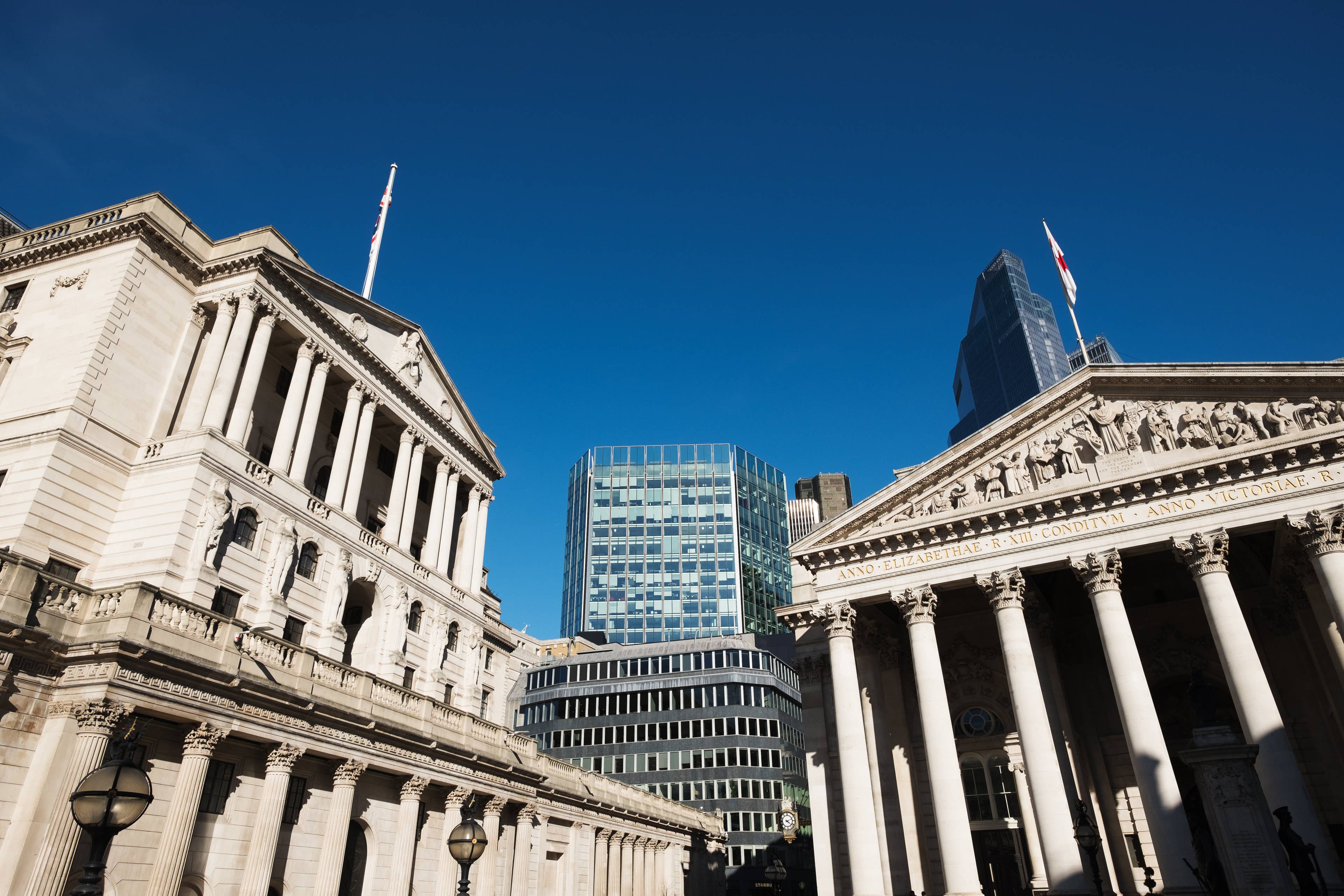
That arrangement is older than most of the world's central banks. The Bank of England has provided gold custody services to developing nations for decades, according to Reuters , and it usually works for the simple reason that nobody involved has any incentive to argue about it.
Custody is boring. It stays boring right up until two governments claim the same account.
Then the metal in the vault ceases to be a reserve asset and becomes a legal exhibit. It does not move, and it does not get sold.
It sits in a basement in London, earning nothing and settling nothing, while lawyers on two continents argue over whose signature counts on the paperwork.
That is exactly what happened to 31 metric tons of Venezuelan bullion, and after seven years, the standoff is nearing an end.
Venezuela's government and its opposition are near an agreement to move the central bank's gold, worth about $4 billion, from the Bank of England to the Federal Reserve Bank of New York, the Financial Times reported on Friday, Sept. 18.
Reuters said it could not immediately verify the report, which cited four people familiar with the discussions.
Why the Bank of England stopped moving Venezuela's gold
The freeze started with a shipment request. Venezuela asked for part of its bullion back in 2018, and the Bank of England has withheld the roughly 31 metric tons it holds ever since, citing its non-recognition of the legitimacy of then-President Nicolas Maduro's government, according to Reuters.
Britain recognized opposition leader Juan Guaido in February 2019. Two rival boards of Venezuela's central bank then spent years sending the Bank of England conflicting instructions about the same bars.
The fight reached Britain's highest court in December 2021. British courts were bound to accept that the government does not recognize Maduro as president "for any purpose," the Supreme Court said in a press release, according to Al Jazeera .
That ruling handed the gold to nobody. It pushed the remaining questions back down to the Commercial Court, and the bars stayed put.
What the proposed gold transfer would actually change
The deal now on the table does not set the gold free. It changes the metal's address and its job.
Topics in this story
Gathered from external sources. Rights to this text belong to whoever originally published it.