No, The U.S. Does Not Have Only 14 Days Of Oil Left
Viral claims say the U.S. has only 14 days of oil left. Here’s what the Strategic Petroleum Reserve really means, why it matters, and what happens when draws...
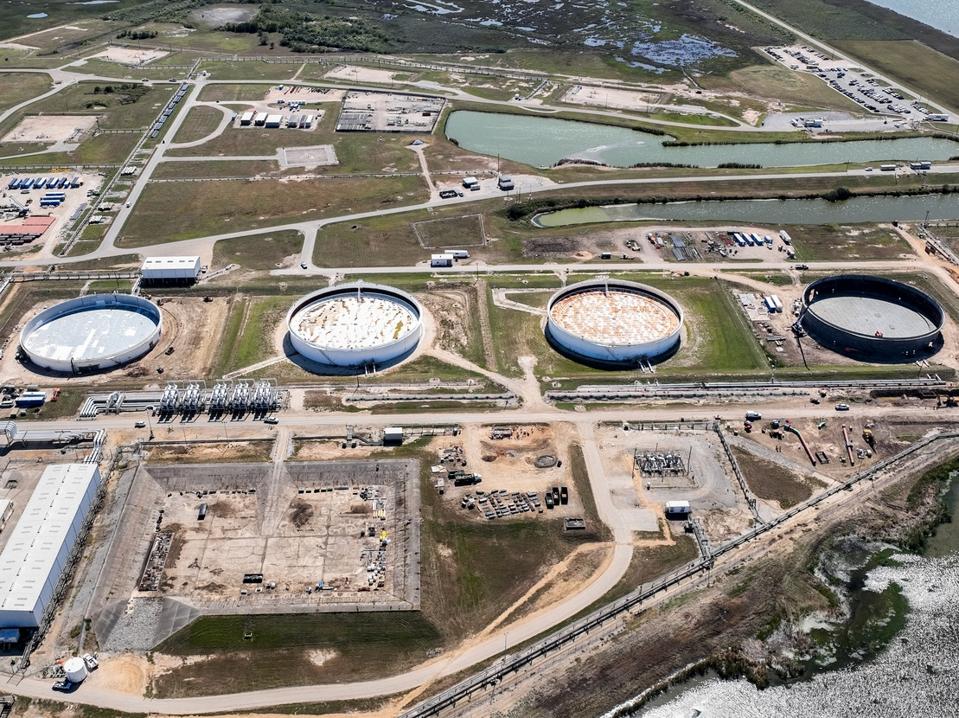
Claims have been circulating on social media that the United States has only about two weeks of oil left. The calculation appears to compare the 286.6 million barrels currently held in the Strategic Petroleum Reserve with roughly 20.7 million barrels per day of U.S. petroleum demand, producing a figure of about 14 days. But that does not describe how the U.S. petroleum system works, and even the units are mismatched. The SPR holds crude oil, while the 20.7-million-barrel figure represents total petroleum products supplied, a broad proxy for consumption that includes gasoline, diesel, jet fuel and other products.
The latest Weekly Petroleum Status Report shows why the claim is misleading. The United States is producing about 13.9 million barrels per day of crude oil, commercial crude inventories stand at roughly 424.5 million barrels , and refineries are processing about 17.5 million barrels per day. Large volumes of crude also continue to move into and out of the country every day. The SPR is an emergency layer of supply behind that continuously operating system, not a tank America is living from until it runs dry.
The Strategic Petroleum Reserve was created after the 1973-74 Arab oil embargo exposed the economic damage that can result from a major oil-supply interruption. Congress authorized the reserve in 1975, and the crude is stored in underground salt caverns along the Gulf Coast near major refineries, pipelines, and ports. The Department of Energy describes the SPR as a tool for reducing the impact of severe petroleum supply disruptions, and its current design capacity is 714 million barrels. At 286.6 million barrels as of August 28, the reserve is at its lowest level since November 1982 .
I think of the SPR as an insurance policy. Reducing an insurance policy may have no immediate consequence, but it leaves fewer options when the next emergency arrives. A smaller SPR does not mean the country is about to run out of oil, but it means the government has less stored crude available to cushion another disruption. The reserve held 638 million barrels at the end of 2020, so drawdowns in recent years have significantly reduced that emergency cushion.
Russia's invasion of Ukraine in February 2022 sent crude prices sharply higher, with Brent and West Texas Intermediate both moving above $100 per barrel. President Joe Biden subsequently announced a 180-million-barrel SPR release at roughly one million barrels per day for six months. The release was a factor in the later decline in oil prices.
Topics in this story
Gathered from external sources. Rights to this text belong to whoever originally published it.