Micron Stock More Than Tripled in 2026. Now Taiwan Strike Threat Could Shake the AI Boom.
Wall Street remains bullish on Micron, although a prolonged labor dispute could disrupt production and put pressure on the company’s AI growth story.
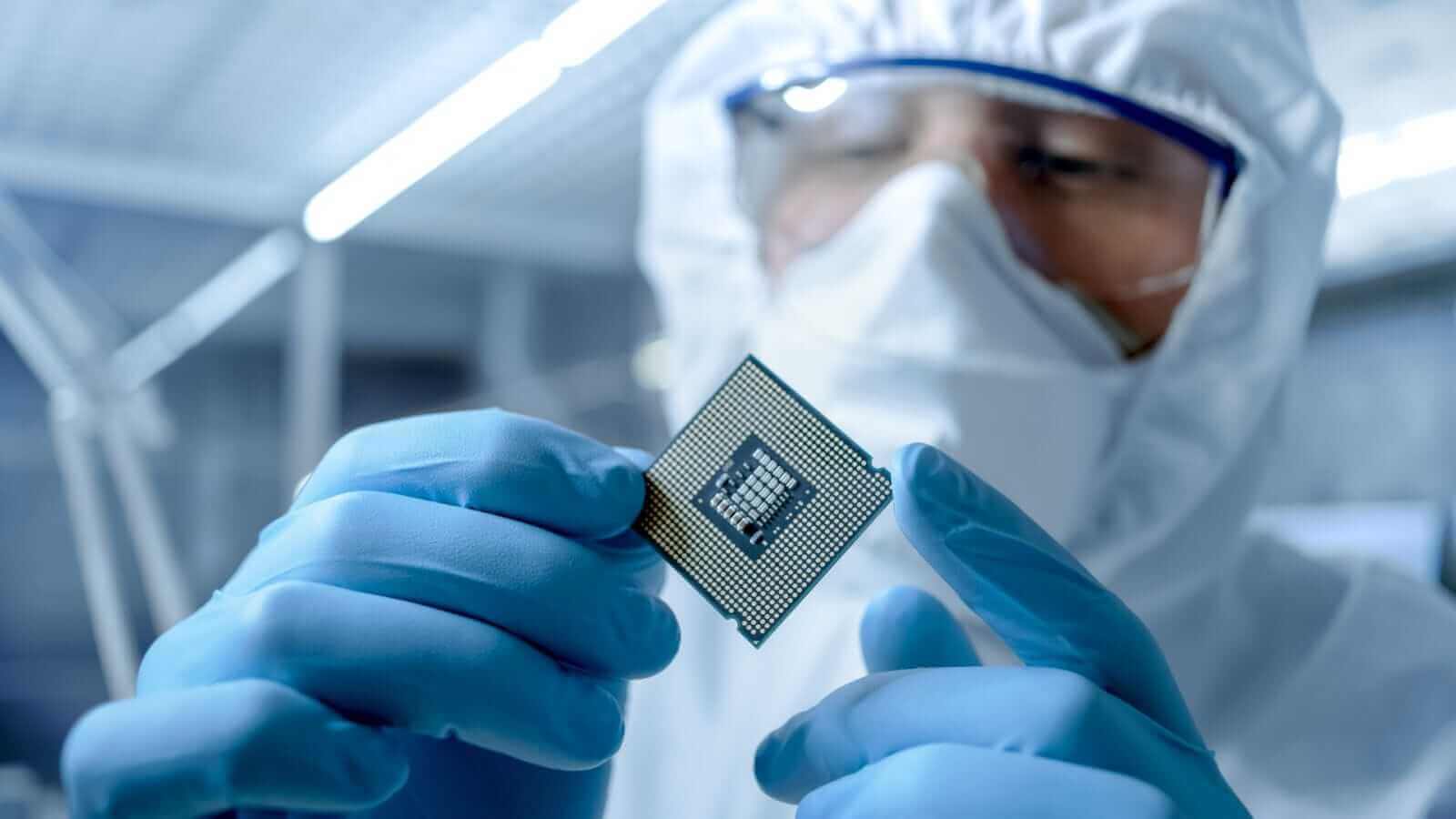
Micron Technology (MU) is facing an unusual problem after one of the strongest stretches in the company's history. Workers in Taiwan are threatening to strike over Micron's bonus structure, with two unions representing roughly 10,000 employees at the company's Taoyuan and Taichung facilities pushing for changes. More than 80% of participating union members backed strike action in an August survey, although a formal strike has not yet been authorized.
The timing is awkward for Micron. Its Taiwan operations are central to its memory manufacturing network just as artificial intelligence (AI) demand has pushed DRAM and high-bandwidth memory (HBM) into an extraordinary upcycle.
For MU stock, the key question is whether the labor dispute becomes a serious production problem, or simply another negotiating battle that ends without disrupting the AI memory boom.
Micron shares are up roughly 252% year-to-date (YTD). The rally has been driven by soaring demand for memory used in AI servers, particularly HBM and data-center DRAM. Micron's earnings growth has exploded as tight supply has improved pricing and margins.
That also explains why the Taiwan situation matters. Micron says Taiwan accounted for a majority of its DRAM output in 2025, making the region a critical part of its global supply chain. A prolonged strike could therefore create a genuine operational risk for the company.
Despite its enormous rally, Micron remains surprisingly inexpensive on forward earnings. MU stock trades at roughly 6 times forward earnings and about 21.5 times trailing earnings. The forward multiple is particularly notable because earnings estimates have risen dramatically alongside memory pricing. That means the stock is not necessarily as expensive as its massive share-price increase might suggest.
Still, investors should remember that memory remains a cyclical industry. If HBM demand slows or supply expands too quickly, Micron's earnings could normalize sharply.
A Taiwan Strike Could Actually Tighten Memory Supply
The unions are demanding a one-time bonus equivalent to roughly 83 months of salary for fiscal 2026. From fiscal 2027, they want a new system that would allocate 15% of operating profit to employee bonuses and distribute the payments quarterly. Micron, meanwhile, has said its 2026 performance bonus will be the largest in company history.
Topics in this story
Gathered from external sources. Rights to this text belong to whoever originally published it.