Why Trump’s effort to build more refineries won’t lower gas prices
President Donald Trump wants to reverse the decades-long decline in the number of US refineries in operation, which he believes is key to lowering gas prices...
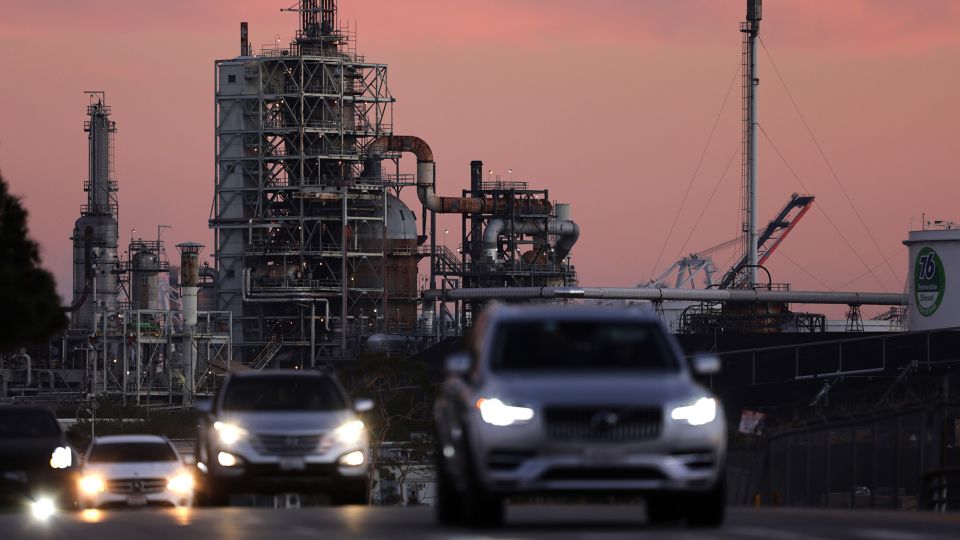
President Donald Trump wants to reverse the decades-long decline in the number of US refineries in operation, which he believes is key to lowering gas prices, and he recently called oil executives to the White House to make that push.
"President Trump and his entire energy team will continue supporting reopening shuttered refineries, expanding the capacity of existing refineries, and constructing new refineries to lower prices and strengthen our national security," White House spokesperson Taylor Rogers told CNN.
But more US refineries won't bring down prices in the near term and aren't likely to take place in the long term either.
A new oil refinery with significant unit capacity hasn't been built in America since 1977, and there were about twice as many oil refineries operating in 1982 as there are today. And even if a building boom were to start tomorrow, it would take years to produce the gasoline and diesel needed to alleviate current prices.
American oil companies, meanwhile, aren't exactly rushing to build refineries. While the industry is wildly profitable, it's also aware that the current energy market disruptions are temporary.
The spike in gas prices, triggered by wars in Iran and Ukraine, won't last long enough to warrant the years of construction and multi-billion-dollar investment needed to build new refineries.
"What's the Strait of Hormuz going to look like in four to five years?" said John Auers, marketing director of refined fuels at data analytics firm Novi Labs. "The assumption is it'll be opened by then, and Russian refineries will be back to normal. So, it doesn't really matter what's happening now or next year when making plans for a major expansion project."
Refining capacity that is limited worldwide, rather than just in the United States, is a major reason for the spike in fuel prices this year, even more so than the Iran war cutting off crude oil shipments in the Strait of Hormuz.
"In my 35 years in the refining business, there's been an excess (refining) supply," ExxonMobil CEO Darren Wood told CNBC earlier this summer. "(But now) we have a refinery constraint. So, pump prices are being established by supply and demand of refining products — not crude."
Refineries in the Middle East and Russia have been damaged by military attacks. Russia, long a major exporter of refined fuel, is now a net importer due to fuel shortages at home, and even the facilities still operating in the Persian Gulf can't export as much product due to ongoing shipping disruptions.
Topics in this story
Gathered from external sources. Rights to this text belong to whoever originally published it.