A small but growing number of founders are betting on bringing people together offline
Brynn Putnam and Tristan Walker have already done something that most founders only dream about: created companies so compelling that bigger outfits bought t...
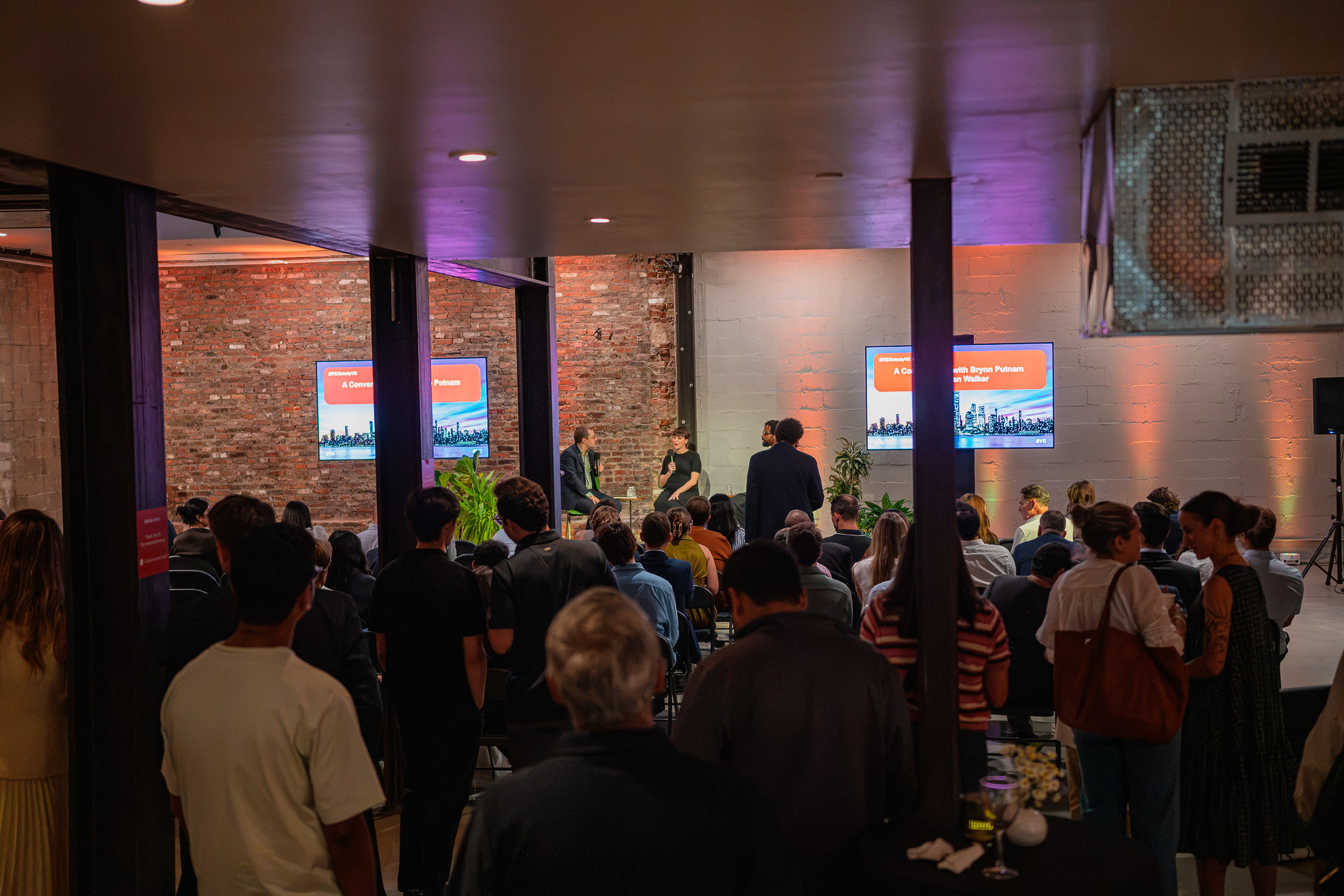
Brynn Putnam and Tristan Walker have already done something that most founders only dream about: created companies so compelling that bigger outfits bought them. Putnam, a trained ballerina with a small chain of boutique studios, built the connected-fitness company Mirror and sold it to Lululemon for $500 million in cash less than three years later. Walker, who interned at Twitter while at Stanford business school, built the popular men's grooming brand Walker & Company Brands, selling it five years later to Procter & Gamble for undisclosed terms (reportedly in the range of $20 million to $40 million).
That both of them are at it again is less surprising than what each is building. Founders tend not to love working inside other people's companies — Putnam has hinted that life as a GM inside Lululemon wasn't for her , while Walker lasted five years inside Procter & Gamble before striking out on his own. But though their new companies couldn't be more different, Board and Heirloom share the same north star: bringing people together, offline, in the same room.
Putnam's new company, Board, which makes a 24-inch touchscreen table that recognizes physical game pieces as well as gestures, was built explicitly for a group sitting around it together rather than one person alone with a screen. Walker's Heirloom is buying up and scaling fine-craft trade schools, starting with a leatherworking school in San Francisco founded by Hermès's first American artisan-ambassador. He's also running Collaborative Holdings, a fund carved out by the venture firm Collaborative Fund built to give founders like Walker — running profitable, cash-flow-positive businesses — the room to grow on their own terms, without the pressure to chase venture-style returns.
On the surface, a game console and a leathercraft school don't appear to have much in common. But both founders are chasing the same thing — a kind of connection they think technology has eroded over the last decade — and both think there's real money in restoring it.
The timing isn't accidental. In June of last year, the World Health Organization's Commission on Social Connection formally classified loneliness as a defining global health challenge, estimating that one in six people worldwide are affected and linking the condition to roughly 870,000 deaths a year.
The opportunity to address that challenge is expanding, too, for those paying attention to it. In a Harris Poll survey sponsored by Marriott Bonvoy earlier this year, two-thirds of Americans said they were prioritizing experiences, like travel, over material purchases this year. (The same percentage said retail shopping today feels too generic, with all retailers looking and feeling the same.)
Topics in this story
Gathered from external sources. Rights to this text belong to whoever originally published it.