Ozempic wave boosts US cobblers and tailors as Americans tighten their belts
By Danielle Kaye and Alexander Marrow NEW YORK, Oct 22 (Reuters) - Lorraine Scott has spent at least $300 to tailor her pants and jeans since losing 60 pound...
NEW YORK, Oct 22 (Reuters) - Lorraine Scott has spent at least $300 to tailor her pants and jeans since losing 60 pounds on weight-loss drugs over the past year.
"Most of the things in my closet didn't fit anymore," she said. The 42-year-old Atlanta resident, who is known as Lorraine Kamesha to her YouTube followers, has opted to alter her favorite pairs of pants instead of investing in new ones as her weight fluctuates, while turning to fast fashion for the rest of her wardrobe.
US consumers taking weight-loss drugs like Novo Nordisk's Ozempic and Eli Lilly's Mounjaro have turned to cobblers and tailors as they try to save money while shedding pounds, motivated in part by a cost-of-living squeeze and rising out-of-pocket costs for the drugs as US employers increasingly drop GLP-1 coverage.
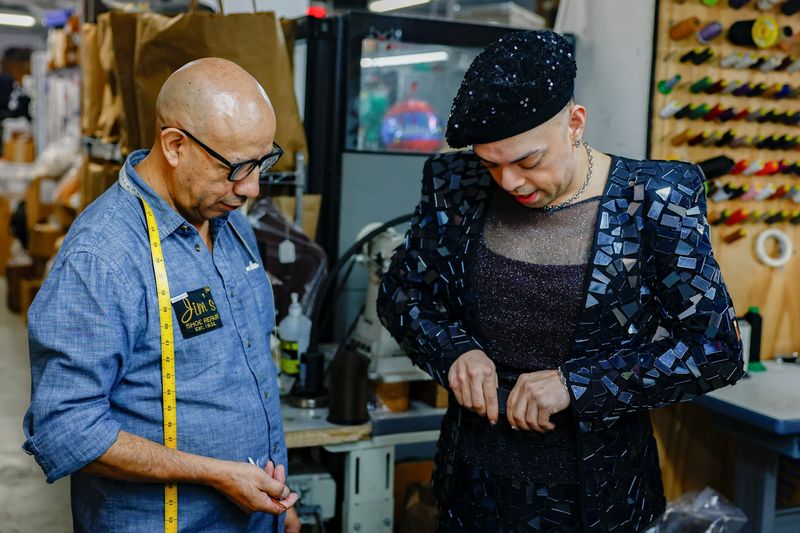
Over the past year, leather repairers have seen a spike in requests for their services due to rapid weight loss — not just for belts, but also for shoe and bag strap adjustments tailored to customers' trimmer bodies.
The uptick in demand for alterations underscores how weight-loss drugs are upending the retail sector, with some corners of the industry well-positioned to benefit while others struggle to adapt. About 11% of US adults are on GLP-1 drugs to lose weight, according to Gallup, forcing millions of consumers to look for affordable ways to revamp their wardrobes.
Cobblers Direct, an online shoe and handbag repair shop with 25 brick-and-mortar stores in Texas and a nationwide mail-in service, is seeing double-digit year-on-year growth in its belt-shortening business, said CEO Stephen Kelly.
The company, whose around 100 artisans will soon be operating from a new, nearly 30,000-square-foot warehouse in Austin, is now shortening as much as 500 belts each week, Kelly said.
Customers, he said, have been walking into the stores with five or six belts slung across their shoulder. After getting a few more holes punched in, some have asked to keep the extra flap of leather as a "badge of honor."
"They'll pull their belt out and show how long their belt originally was. And then they tuck it back into their waistline," Kelly said.
About 80% of GLP-1 users are living in clothes that no longer fit, waiting six months on average before buying anything new, according to a survey of more than 700 US adults using weight-loss drugs by telehealth platform Trimi. Jeans are the most disrupted article of clothing, the survey found, with 90% of users lamenting poor fit.
Topics in this story
Gathered from external sources. Rights to this text belong to whoever originally published it.