The job market looks steady. Underneath, hiring intentions are stirring.
Two new reports reveal whats under the data of today's job market.
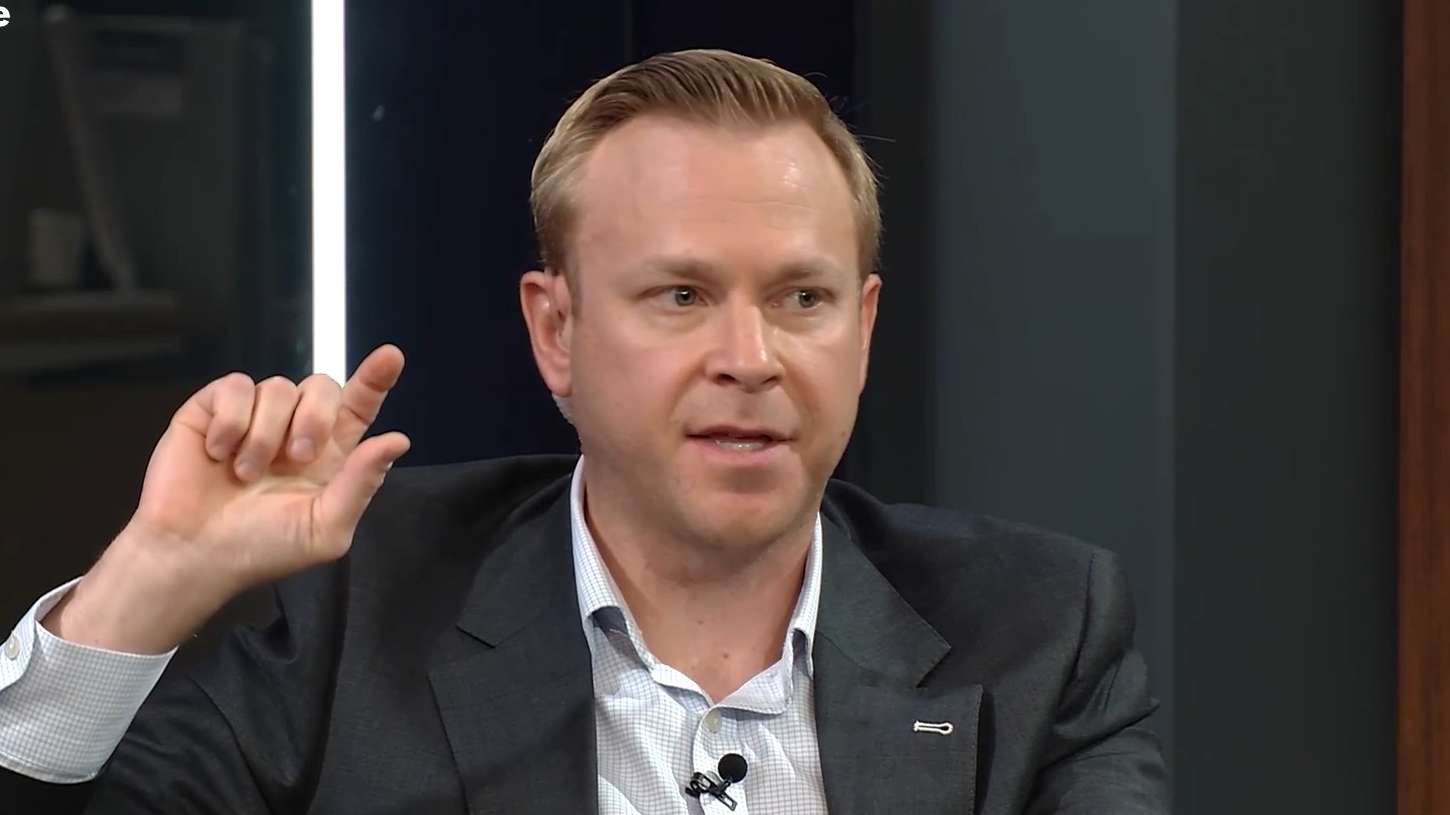
With lots of numbers rolling out on the job market this week detailing hiring, firing, and job openings , two new reports reveal what's simmering underneath the surface.
Amid a long-running 'low hire, low fire' job market, Indeed found that annual growth in job postings has turned positive for the first time since 2022, according to new research .
"Our data shows hiring intentions rising slightly, but it's unclear if those intentions will turn to action," Cory Stahle, a senior economist at Indeed, told Yahoo Finance.
His take: The number of jobs added in a given month, whether up or down, is ultimately a function of employers' hiring appetite and workers' willingness to take a risk on a new opportunity.
Postings in software development and data and analytics, two areas that had pulled back sharply in recent times, are adding postings again.
For the most part, unemployment is low, wages are generally flat, and people are holding onto their jobs.
That doesn't make things easy for those hunting for a job.
"They're competing for fewer roles, which helps explain why so many job seekers feel stuck," said Laura Ullrich, director of economic research at the Indeed Hiring Lab.
Meanwhile, economists project the unemployment rate will hold steady at 4.1% in September 2026 and rise only slightly next year.
What that means for workers is debatable. A 4.1% rate today says something very different about labor dynamics than it has historically, due to population changes.
The US labor force has shrunk by around 700,000 workers so far in 2026. "Absent a surprise fourth-quarter shift, 2026 will be just the second time since 1948 that we've seen a shrinking labor force outside of a recession," per Ullrich.
Combined with baby boomers retiring, the dwindling labor supply makes it mathematically less likely for the unemployment rate to increase, she said.
For decades, there have been ominous warnings about the demographic cliff due to falling birth rates, translating to fewer younger workers to replace older workers hitting the exits.
It's arriving now, but it's not just older workers stepping out of the workplace. It's across all age groups when you factor in the drop in immigration and fewer women in the workforce.
"The United States is likely entering a period where hires and payroll employment will be lower than we've grown to expect — not because of limited demand, but because there simply aren't enough workers to fill available jobs," according to Ullrich.
Topics in this story
Gathered from external sources. Rights to this text belong to whoever originally published it.