Retail traders dump $257 million in stocks in 5th biggest selling day since 2020
Retail investors are dumping US stocks at a pace not seen since the onset of the COVID-19 pandemic, breaking with their typical market-down-day habit of "buy...
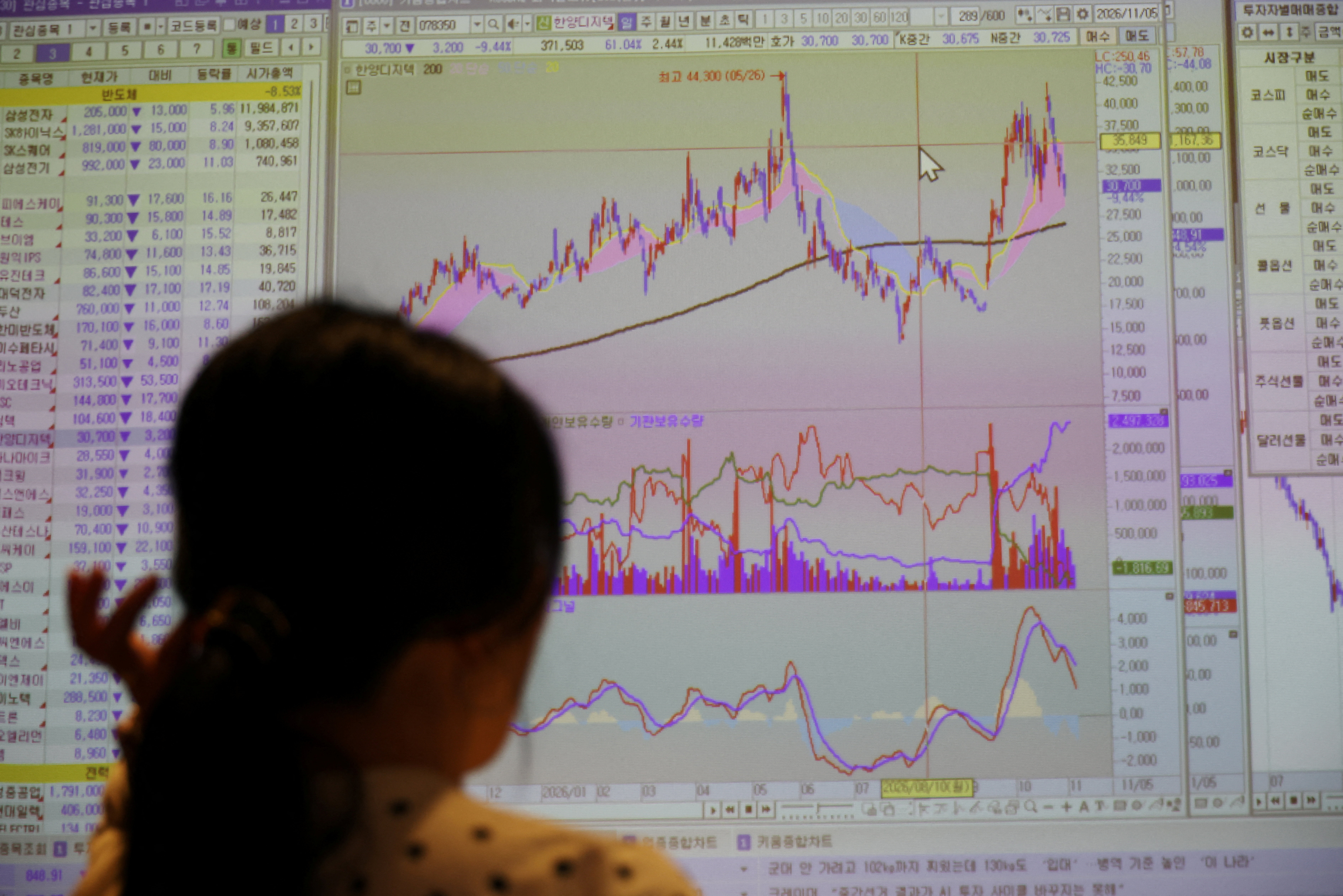
Retail investors dumped US stocks on Thursday at a pace not seen since the onset of the COVID-19 pandemic, breaking with their typical market-down-day habit of "buying the dip."
Everyday investors sold a net $257 million in individual US stocks on Thursday, according to Vanda Research, the fifth biggest single-day of net selling spree since March 17, 2020, when retail investors pulled $502 million from individual stocks.
"This is what we would call a total capitulation by retail investors," Viraj Patel, global macro strategist at Vanda Research, said in emailed comments.
US stocks plunged on Thursday as AI and chip stocks sold off, erasing the gains from Wednesday's post-election rally. The tech-heavy Nasdaq Composite ( ^IXIC ) dropped 5.2%, putting the index on track to close in a correction.
Retail selling marks something of a departure from a tendency by individual investors in recent years to scoop up shares when markets tumble. Vanda said there were "no signs of buying the dip" in individual stocks, though some investors continued to purchase leveraged exchange-traded funds such as ProShares UltraPro QQQ ( TQQQ ) and Direxion Daily Semiconductor Bull 3X Shares ( SOXL ).
Vanda added that net selling was a third higher earlier Thursday afternoon before late "late-session" retail buyers stepped in
Patel added that the retreat echoed a broader "buyers' strike" among institutional investors alongside forced selling by systematic and leveraged investment strategies.
Follow David Hollerith on X @DsHollers .
Topics in this story
Gathered from external sources. Rights to this text belong to whoever originally published it.