How Apple stock usually reacts to big iPhone reveal events
Bring on the new iPhone!
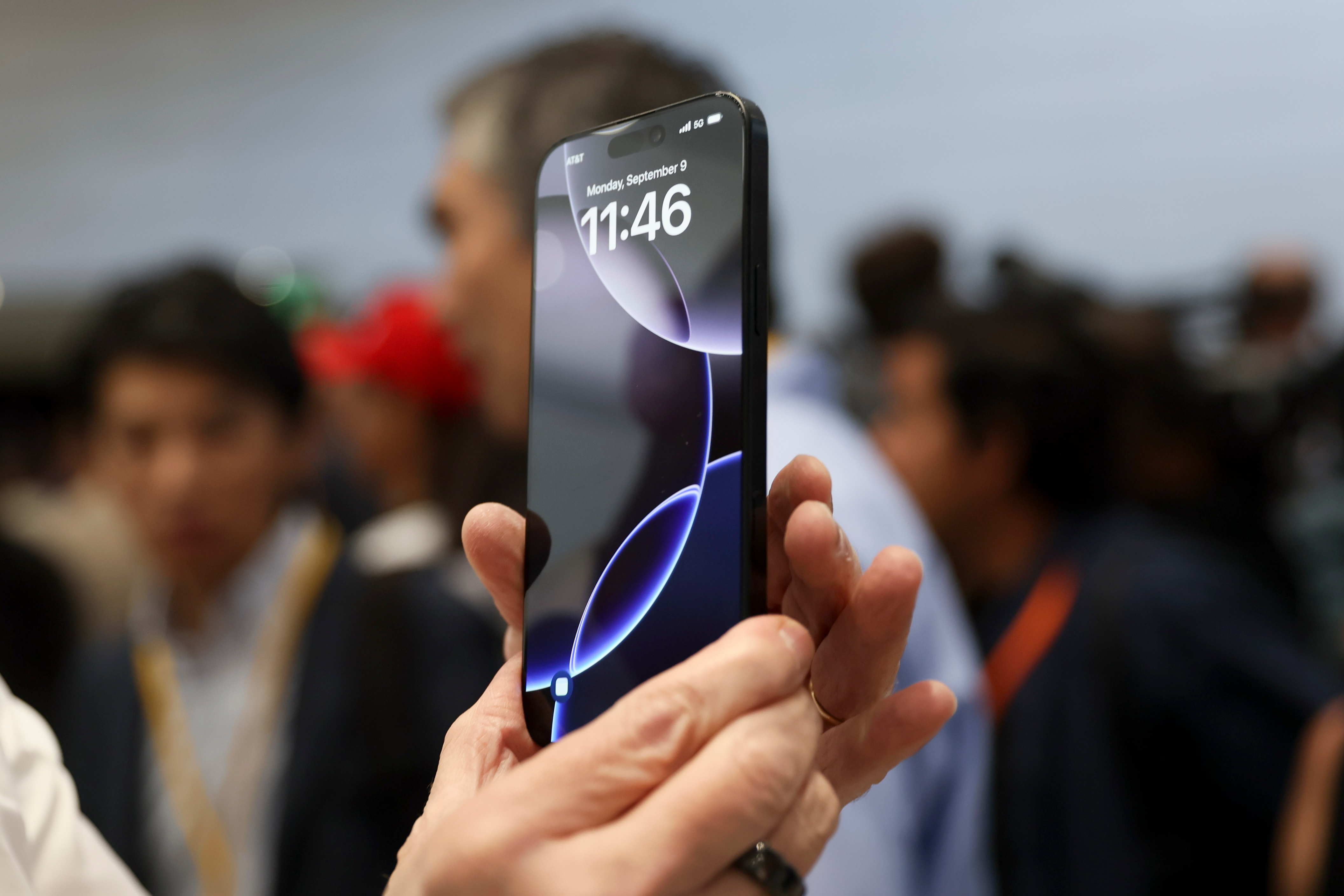
Apple's ( AAPL ) stock historically likes the annual iPhone reveal day , at least in the months after the tech giant unveils its latest pricey whiz-bang product.
Shares of the tech giant have often exhibited a modest sell-the-news reaction immediately following launch events before recovering in the subsequent 30-60 days, according to new analysis from Bank of America analyst Wamsi Mohan on Tuesday.
Apple's stock has gained in the 60 days following an iPhone reveal day 17 times, dating back to the 2007 smartphone launch, Mohan's research found.
The biggest gain was 20%, recorded 60 days after the iPhone 11 reveal in 2019.
Apple is gearing up for its Sept. 9 "Surprise and Shine" keynote at the Steve Jobs Theater. It will mark a historic turning point for the tech giant as newly appointed CEO John Ternus takes the stage for his first product launch since succeeding Tim Cook this month.
Apple's first foldable iPhone (speculated to be called the iPhone Ultra) is expected to sport a lofty $2,000-plus starting price, Citi analysts said.
Citi estimated that Apple will sell about 5 million units of the new device in the second half of this year and another 2.3 million units in the first quarter of 2027.
In addition to the first foldable iPhone, Apple is expected to unveil a full iPhone 18 Pro lineup, new Apple Watches, and refreshed AI-driven software features.
"This year, we think investor reaction will likely depend on the magnitude of price increases, adoption of Siri AI features and commentary on foldable demand," Mohan wrote.
Along with the pricier foldable iPhone and expected price hikes for regular iPhone 18s, Apple is trying to overcome massive chip inflation that is weighing on margins.
The company issued cautious revenue guidance for the current quarter in late July, largely because the company can't source enough memory chips to meet demand.
It's a problem that former CEO Tim Cook expects to persist. Profit margins were also under significant pressure in the most recent quarter compared with the preceding quarter due to higher memory chip prices.
"On the pricing front, we reluctantly raised prices, I would say," Cook said on his final earnings call as CEO. "We did it because we're in what I would characterize as a 100-year flood on the memory pricing, with exponential increases in memory prices."
The memory chip market has tightened considerably as demand for high-bandwidth memory (HBM) and advanced dynamic random-access memory (DRAM) used in AI servers continues to outpace supply.
Topics in this story
Gathered from external sources. Rights to this text belong to whoever originally published it.