Microsoft (MSFT) Is Pulling Back From Key Neocloud Data Center Deals
Microsoft (NasdaqGS:MSFT) is winding down several neocloud data center capacity deals, including a non-renewal of its Oracle arrangement. The company is exit...
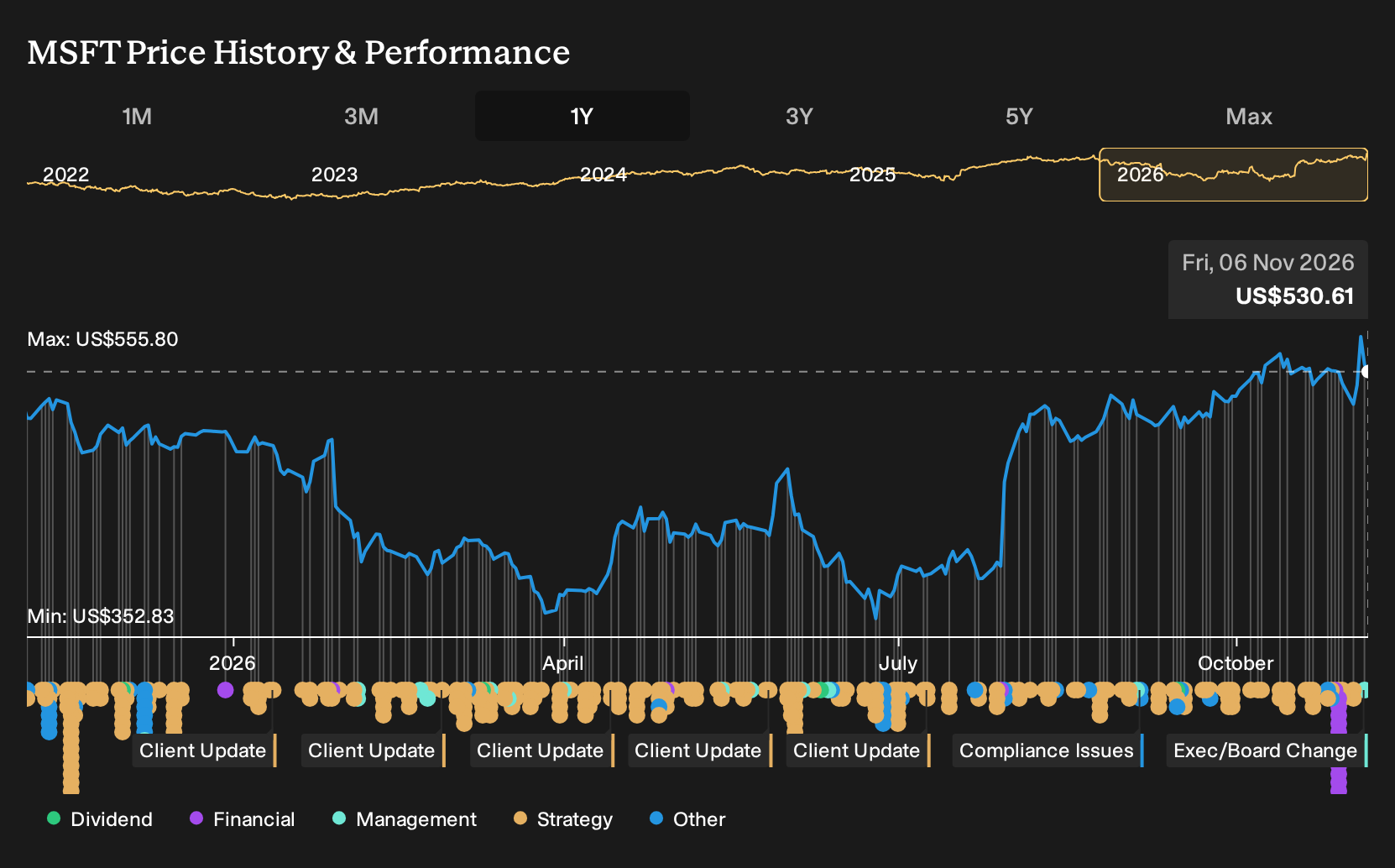
Microsoft (NasdaqGS:MSFT) is winding down several neocloud data center capacity deals, including a non-renewal of its Oracle arrangement.
The company is exiting relationships with operators such as Nscale and IREN, reducing outsourced capacity tied to neocloud hubs.
Management is refocusing on more flexible, in-house data centers as regulators, cost pressures, sustainability rules, and anti-AI protests reshape project economics.
The decision to pull back from neocloud data center deals is important. Investors should weigh Microsoft's wider business drivers too. We have also flagged 3 other big wins for Microsoft.
Use this shift in Microsoft's infrastructure approach as a prompt to explore other stocks exposed to AI compute build out through 52 AI infrastructure stocks .
Microsoft plugs this infrastructure shift into a much wider software and cloud services footprint by using its US$4.0 trillion scale and global reach in productivity tools, business applications, and developer platforms to influence how and where enterprise AI workloads are physically run.
Why would Microsoft walk away from neocloud data center deals if AI demand is still strong?
Stepping back from Oracle, Nscale, IREN and other neocloud operators reduces Microsoft's reliance on third parties whose delays, power constraints and older chips can make AI capex less predictable. Pulling more buildout into its own data centers lets management match capacity decisions more closely to its bond funded AI program and internal return hurdles.
Does this shift change the Microsoft Narrative investors have been using?
The Narrative already highlights one core requirement: a huge AI data center build and US$175b to US$190b of 2026 capex must translate into durable revenue and cash flow. Tightening control over where that infrastructure sits, and reducing exposure to neocloud cost overruns or regulatory snags, aligns more with the Narrative's execution risk than with its demand story.
See how these catalysts shape Microsoft's path to a $629 fair value .
What is the key financial signal to watch next from Microsoft?
Focus on how net debt and free cash flow move relative to AI infrastructure spend over the next few quarters as neocloud contracts roll off. If capex stays heavy but free cash generation and leverage ratios remain stable, that would indicate the pivot toward owned capacity is preserving Microsoft's financial flexibility rather than stretching the balance sheet.
The final check on Microsoft many buyers make before acting
Gathered from external sources. Rights to this text belong to whoever originally published it.