Range Rover Maker to Cut 4,000 Jobs as Trump’s Tariffs Bite
Jaguar Land Rover faces headwinds from intensifying Chinese competition and U.S. tariffs and said that it must simplify its organization.
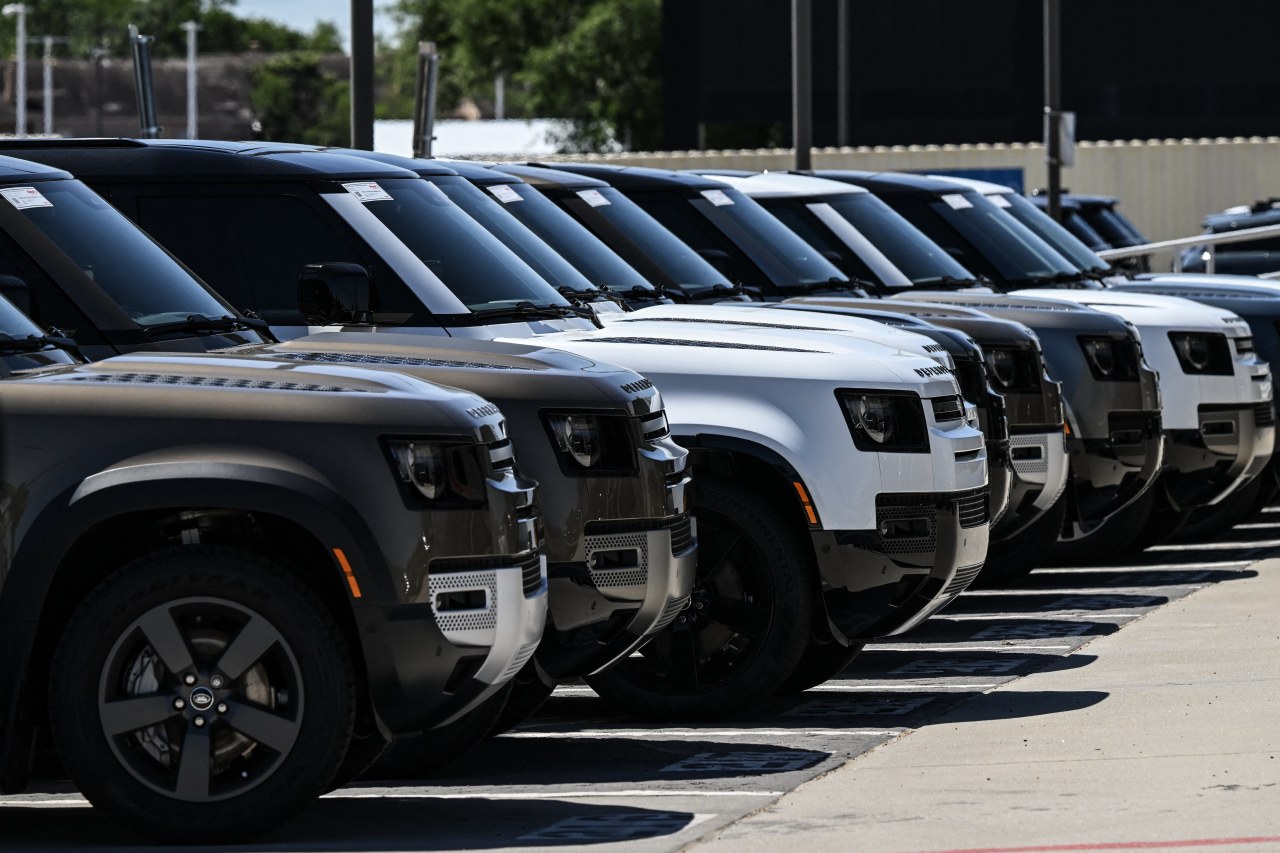
Jaguar Land Rover is cutting 4,000 jobs as the automaker contends with President Trump's tariffs, a sales collapse in China and big investments in electric vehicles.
The British company said Monday it would eliminate roughly one-tenth of its global workforce as part of a broader plan to cut $2.3 billion of costs over the next two years. It is targeting salaried employees and managers rather than factory workers, initially via a voluntary redundancy program.
The restructuring at JLR, which is owned by India's Tata Motors, is the latest sign of turmoil in the European car industry. Volkswagen's board last week approved a plan to cut 50,000 more positions , while BMW said in July that it would reduce its workforce by around 8,000 .
"The automotive industry faces significant challenges, with technological change amidst intense competition and ongoing geopolitical uncertainty," JLR Chief Executive P.B. Balaji said in a statement.
Balaji said cost savings would support investments in areas such as electrification, digital technologies and advanced manufacturing.
The job cuts came less than a week after JLR opened orders for the Range Rover Electric, the brand's first electric vehicle. Despite an early hit with the Jaguar I-Pace, JLR has lagged behind European rivals such as BMW, Mercedes and Volvo in developing EVs.
The company is also among the car manufacturers hardest hit by the higher U.S. tariffs introduced by the White House last year. It pays a 10% tariff to ship Range Rovers from its flagship British plant and 15% for the Defender and Discovery models made in Slovakia, up from 2.5% for both countries previously.
The U.S. is by far its largest market, accounting for roughly a quarter of sales in its most recent financial year, which ended in March. It is also the company's top growth opportunity, Balaji said at a recent investor day.
Unlike BMW and Mercedes-Benz, JLR doesn't have an American production base, leaving it with no option for now but to pay the higher tariffs to access the U.S. market. The company doesn't sell enough vehicles to justify building a plant, with roughly 100,000 retail sales in the year through March across North America.
JLR could use an underused plant belonging to another automaker, though. In May the company announced a deal with Chrysler owner Stellantis to explore collaboration on future U.S. products.
Topics in this story
Gathered from external sources. Rights to this text belong to whoever originally published it.