The Rockefellers Have Moved the Same Fortune Through Six Generations Without a Single Estate-Tax Bill. The 1934 Trusts They Used Are Still Legal, and Still for Sale.
The Rockefeller family has passed the same fortune through six generations without triggering a single federal estate tax bill, and the legal structure they...
Dynasty trusts remove assets from a taxable estate permanently, letting wealth compound across generations without triggering a 40% estate tax at each death.
The $15 million federal exemption, made permanent in 2026, defines who benefits. Estates comfortably below that threshold gain nothing from this structure.
Forgetting to allocate GST exemption on IRS Form 709 in the gift year exposes every future generational transfer to a flat 40% tax.
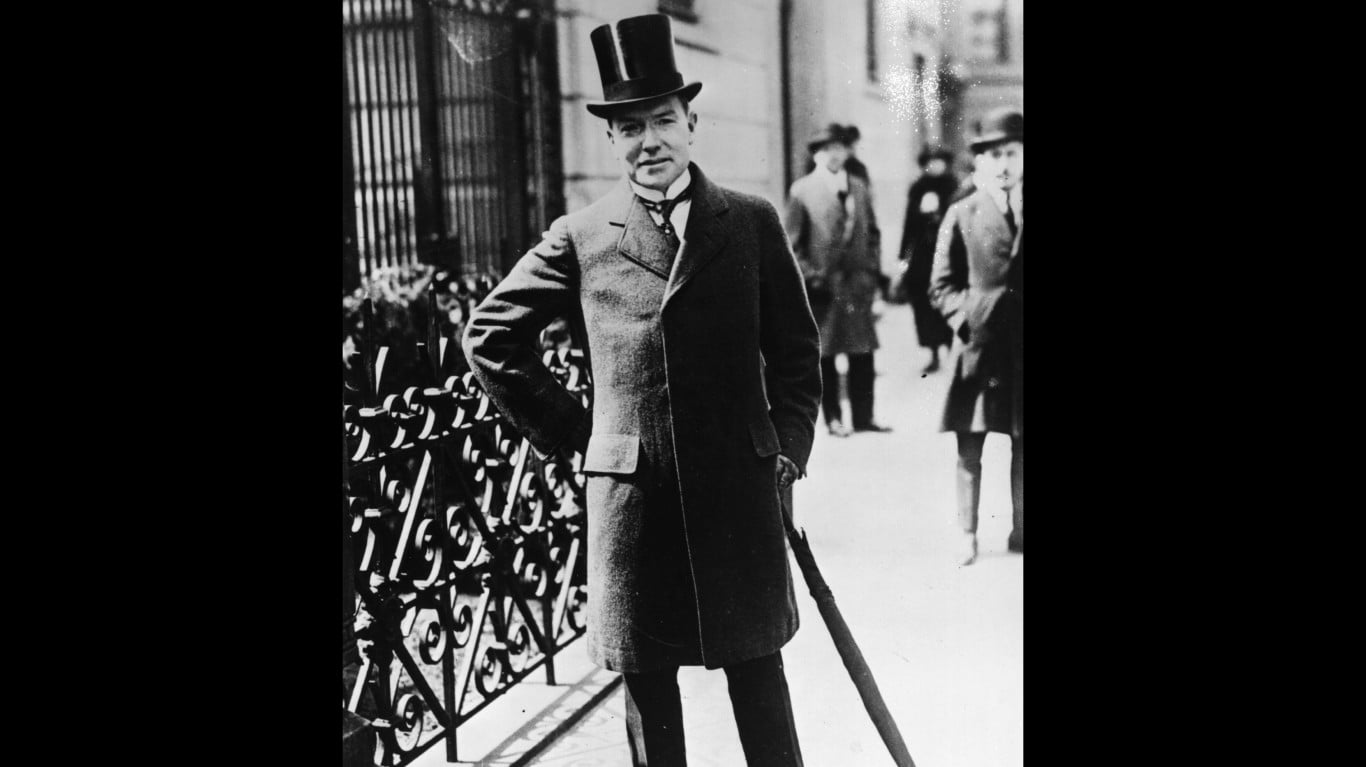
If you have real wealth and a taxable estate on the horizon, the Rockefeller family structure offers a template. In 1934, John D. Rockefeller Jr. locked most of the family fortune into a set of irrevocable trusts that have since carried assets through six generations without a single federal estate tax bill. The structure has a name: Dynasty Trust, and it is still legal in 2026.
A dynasty trust is an irrevocable trust designed to hold assets for as long as state law allows, sometimes forever. Once funded, the assets leave the grantor's taxable estate. They grow inside the trust. When the children die, then the grandchildren, then the great-grandchildren, the trust keeps going, and the IRS does not get a fresh 40% estate tax bite at each death. That mechanism turned the 1934 Rockefeller trusts into a six-generation compounding vehicle.
The trust can own almost anything: public stock, private company shares, real estate, life insurance, a family business. Distributions go to beneficiaries under rules written into the document. Everything the trust does not distribute keeps compounding outside the transfer-tax system.
If you've saved over $1,000,000, this guide is for you. The last thing you want in retirement is to run out of money, you want your money to generate lasting income while you enjoy your life.
Now you can learn the strategies wealthy retirees use to fund their retirement with The Definitive Guide to Retirement Income from Fisher Investments. Download the guide today! (sponsor)
Two federal laws make this whole arrangement possible. The estate and gift tax rules are found in Subtitle B of the Internal Revenue Code, with sections 2001 through 2058 covering the estate tax and sections 2501 through 2524 covering the gift tax. Then there is the generation-skipping transfer tax, or GST tax, which Congress added in 1976 specifically to close the dynasty-trust loophole, and that lives in IRC sections 2601 through 2664. The GST tax hits at a flat 40% on any transfers that skip a generation. The real key that makes a dynasty trust work today is IRC section 2631, which grants every individual a GST exemption that can be allocated to a trust so future distributions never trigger that tax.
Topics in this story
Gathered from external sources. Rights to this text belong to whoever originally published it.