‘Need more help. Indian innovation runs on charity’
I’ve spent at least a year talking to a lot of innovators around the country, and I can probably say innovation in India runs on charity,” actor Avinash
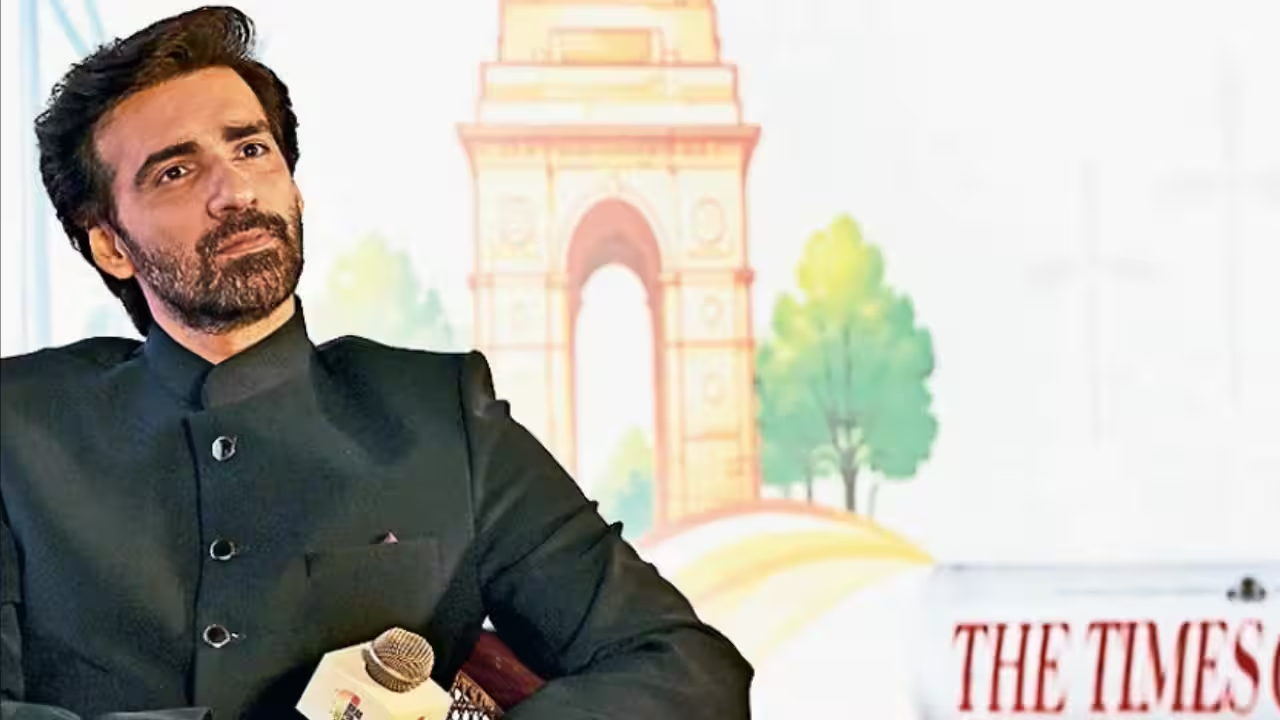
I’ve spent at least a year talking to a lot of innovators around the country, and I can probably say innovation in India runs on charity,” actor Avinash Tiwary said at TOI Ideas for India 2026.On his visits to Hyderabad and Bengaluru, he had met innovators, including engineering students developing solutions for agriculture and mining. Their ideas were often strong, he said; however, the harder part was getting access to laboratories, grants and funding to build prototypes.Drawing on India’s emergence as an IT powerhouse, Tiwary called for more support for homegrown innovation. Citing Telangana’s T-Works, he urged people to build more prototyping facilities for building and testing new products.He also called for a clearer understanding of entrepreneurship, distinguishing between creating value in an existing market and creating an entirely new one. That need to build Indian capabilities felt especially urgent when he spoke about AI.Dependence on overseas large language models (LLMs), he warned, could leave users vulnerable if access were restricted. “When we sit and talk about closed borders, a foreign country can just switch off its LLMs, and we won’t be able to talk about agents anymore.”Tiwary also wondered whether young Indians were chasing too narrow a range of opportunities. Acknowledging the growing influence of content creators, he cited figures he had recently read about the creator economy and India’s ambitions.“But my question is this. If a country is making trillions, and needs trillions by 2030, how does it feel when 40 per cent of that country’s youth want a slice of that 400-billion-dollar pie?” Still, he saw potential in the audiences creators have built.Their reach, he said, could help Indian products and ideas find a market as the country develops new capabilities. The question of what India could build also shaped his hopes for cinema.Filmmakers, he felt, should draw on the country’s past while imagining its future — and tell stories that could influence aspirations beyond the screen.“As an artist, that is my one desire. To see films made about the future. Indian stories that create a global impact,” he said. He believed wider global distribution could boost India’s cultural influence and talent.He felt OTT had opened doors for niche audiences and different genres, but shrinking budgets and pressure to turn a profit were encouraging safer choices.The difference between streaming and cinema, he said, would still come down to the experience. Watching at home is intimate and often solitary; theatres offer scale, sound and the pleasure of watching together. His assessment came with a touch of humour: “Even my face looks beautiful there.”You use AI every day. Now get your AI Quotient. Take the AIQ test.
Topics in this story
Gathered from external sources. Rights to this text belong to whoever originally published it.