The NYSE's most famous floor trader says AI can't take his job
The Einstein of Wall Street is using his fame as the NYSE's most photographed trader to campaign for the human touch in markets in the age of AI.
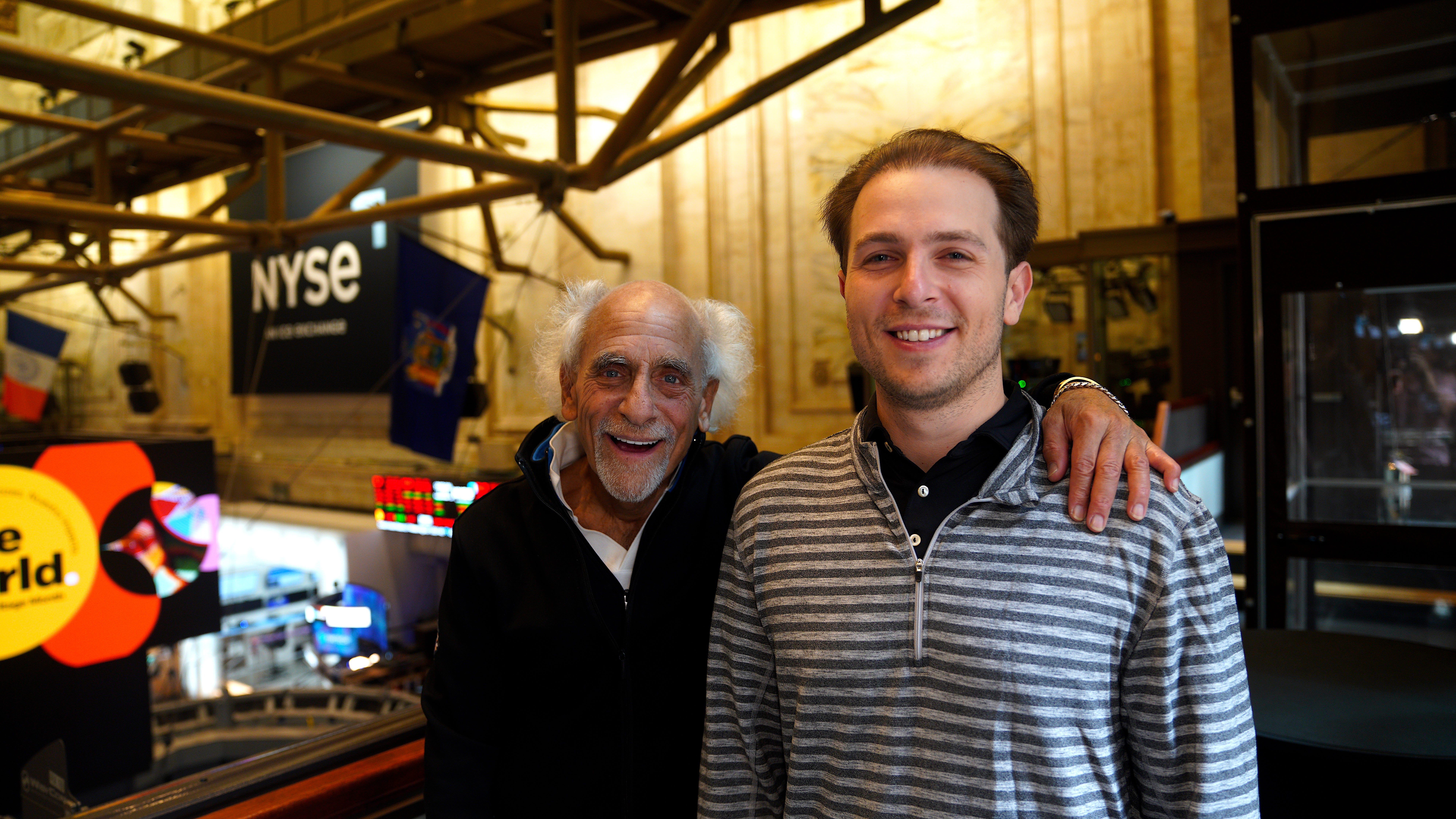
The Einstein of Wall Street is on a new mission: using his market celebrity to advocate for human traders.
Peter Tuchman says he and his son are pushing to keep human brokers around in the age of AI.
Digital trading and AI have intensified job security concerns for many brokers who remain in the industry.
It's difficult to separate Peter Tuchman from his alter ego.
"The Einstein of Wall Street, " known for his distinctive shock of white hair and animated expressions, says he sleeps for four hours a day and works for 20. Tuchman memorabilia is a common sight at the exchange. Bobbleheads adorn his desk and cartoon stickers of Tuchman riding a bull, the spirit animal of the stock market, are displayed all around his computer.
The most recent addition to the Tuchman collection, however, is much more impressive. MARKET SAVANT, a life-size bronze sculpture of Tuchman made by the artist Matt Snider, was recently unveiled at the NYSE in celebration of the 234 years of the human broker at the stock exchange, his team tells me.
Tuchman has been a market celebrity for years, but lately, the TradeMas broker has been using his renown for a distinct purpose: advocating for the human trader in the era of AI.
Wall Street was in the throes of a tech overhaul before the advent of artificial intelligence, with digital brokerages largely eliminating the need for traders to be present on the floor of the stock exchange. AI has intensified job displacement anxiety for those who remain in the industry, given that the tech is already doing much of the scutwork that has long defined junior and back-end roles on Wall Street.
Most finance leaders say investing in AI will maintain or possibly increase headcount this year. Still, 28% predicted AI would lead to headcounts dropping this year, per EY's survey of financial CEOs.
The number of brokers and clerks packed onto the floors of the NYSE once peaked at over 3,000 before dwindling to around 1,700 in 2007, the New York Times reported at the time. The NYSE did not provide an estimate of the number of people currently employed on the trading floor.
Benny Tuchman, Peter Tuchman's son and a broker at the exchange, says the two have become the NYSE's loudest advocates for preserving human labor, often making the case that it fosters trust in clients if a real person is involved in a transaction.
The vast majority of stock trades today are executed digitally, though human brokers still help with larger and more complex orders from institutions.
Tuchman's role has evolved into campaigning for the role of the human trader. Tuchman says he often works from dinner to bedtime and rarely goes out. When he was in the hospital recently, his team took away his cell phone to prevent him from posting while recovering, his son says.
Topics in this story
Gathered from external sources. Rights to this text belong to whoever originally published it.