Three ways the Iran war changed the global economy
The effects of the Iran war are obvious to most Americans: Gas prices have been hovering above $4 for weeks, mortgage rates are rising toward 7% and companie...
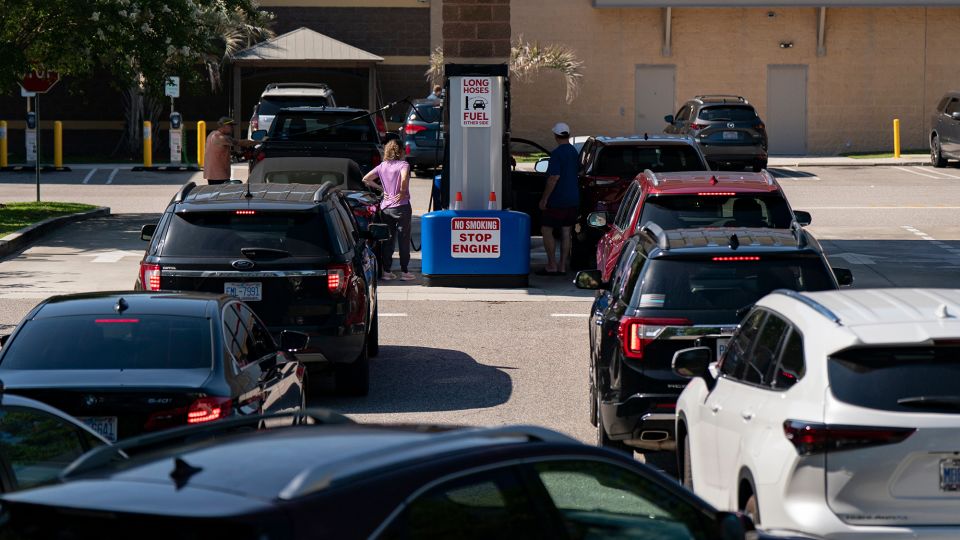
The effects of the Iran war are obvious to most Americans: Gas prices have been hovering above $4 for weeks, mortgage rates are rising toward 7% and companies are adding shipping surcharges to make up for record diesel costs .
Those cost-of-living increases have lasted longer than the Trump administration had claimed they would, although they should eventually reverse themselves if and when the United States and Iran reach a ceasefire agreement.
But other economic changes won't be so easily reversed . The war has altered the global economy in lasting ways that have reshaped the way the world does business.
Before the war, ships under any country's banner could freely transit the Strait of Hormuz to collect and deliver goods to and from the Middle East. A fifth of the world's oil traveled through the narrow passage every day.
The idea of who controls the strait permanently changed after the United States and Israel attacked Iran in late February. Iran declared the strait its own to control, and it attacked vessels that tried to enter or exit the Persian Gulf. The effective closure of the strait gave Iran economic leverage over the United States and its Gulf state allies, closing off 13 million barrels of oil supply to the global economy.
Iran changed its strait tactic in May. Rather than attempting to close the strait, it started regulating the channel's use. It formed the Persian Gulf Strait Authority and began requiring transiting ships to register with the group, follow an authorized navigation path and pay a toll to cross. After signing a Memorandum of Understanding with the United States in June, Iran agreed to stop charging tolls for 60 days, but it continued to attack transiting ships that failed to register with the authority.
After effectively tearing up the memorandum of understanding, the US military began coordinating and escorting "dark," nighttime transits across the strait to increase Persian Gulf oil exports and avoid Iranian drone attacks. The effort has been working, but the need for such a massive, taxing and expensive operation proves how much influence Iran has gained over the Strait of Hormuz.
"It seems likely that Iran will emerge from the war with a stronger position over control of the strait, and that will force countries reliant on Middle Eastern crude to adapt," said Ross Mayfield, investment Strategist at Baird. "Hormuz closure went from a hypothetical tail risk to a demonstrated and effective tactic."
Oil analysts believe the conflict's eventual resolution could ultimately involve some kind of agreement to allow Iran to charge tolls for safe passage through the strait. Some critics fear that would set a precedent for other countries to charge ships to pass through international waterways.
Topics in this story
Gathered from external sources. Rights to this text belong to whoever originally published it.