Want people to believe in democracy? Tax a billionaire
The affordability crisis has eaten through American optimism and given way to many questions — namely, why should being wealthy entitle you to a different set of rules?
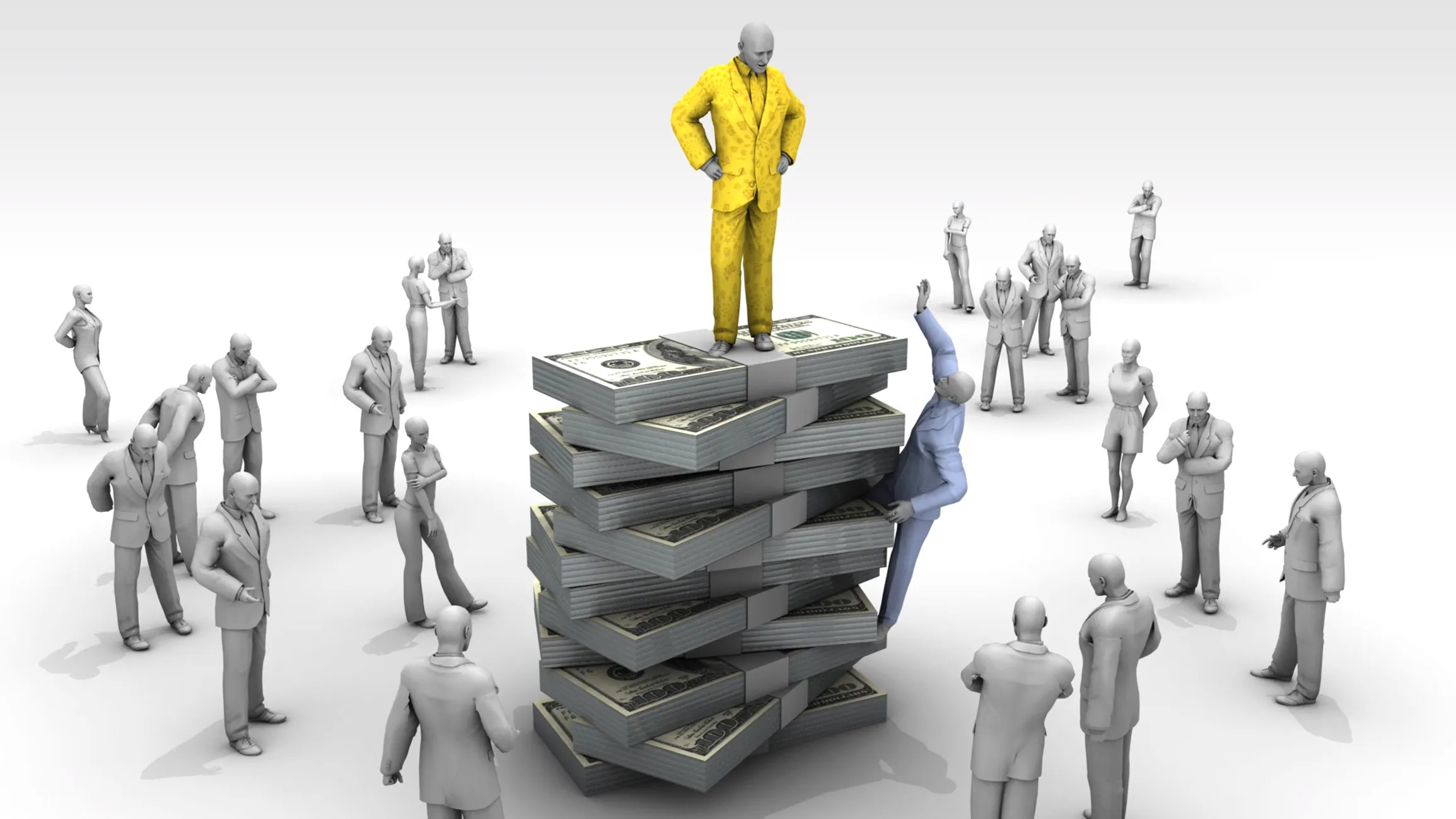
It is easy to see that being rich has its perks — courtside seats, lavish vacations and, increasingly, an outsized say in how our democracy works.
Corporate political spending is already crushing records this election cycle. Companies have contributed $646 million to federal races — 40 percent more than they spent during the entire 2024 presidential cycle, which itself smashed previous records for corporate spending.
The 20 biggest donors in this year’s federal election cycle, most of whom are billionaires, have put in an astonishing $1.2 billion . Today, the biggest spenders come from crypto, AI and online betting, and they are counting on politicians they fund to oppose increasingly popular checks on their technologies, so they can continue to build unbridled wealth and power.
But millions of Americans are working through a different calculus: What is coming out of every paycheck? Why are grocery bills, health care premiums and energy prices eating into everything I take home? What can we do without in order to survive?
The affordability crisis has eaten through American optimism and given way to many questions — namely, why should being wealthy entitle you to a different set of rules? It is a question we take seriously at Better Taxes for a Better America . In partnership with Hart Research Associates, we recently surveyed 2,610 registered voters about taxes, power and democracy. And what we found goes way deeper than “declining faith.”
Sixty-two percent said our democracy isn’t working well for people like them and have little or no confidence it can solve the country’s biggest problems. Yet 80 percent still say it is extremely or very important that America remain a democracy.
Eighty-six percent of our survey respondents say wealthy people have too much power and influence over government. And 77 percent say wealthy Americans pay too little in taxes.
Those findings aren’t separate. They are two sides of the same working-class frustration.
Scholarship tells us that paying taxes gives citizens a greater stake in self-government. No matter how rich or poor you are, you contribute to this country and have a say in how it works. It’s real skin in the game.
And Americans seem to understand today’s skewed-to-the-rich tax code in exactly those terms.
Three-quarters call the tax system unfair. Sixty percent say the tax system itself is an example of democracy not working well. And 81 percent say a system where wealthy people and corporations pay their fair share is important to a strong and healthy democracy.
That tracks to how most people experience the government. Taxes come out of your paycheck, and you pay them at the store. There’s no crew of accountants zeroing in on loopholes, or lobbyists rejiggering the law on your behalf.
President Trump has further exposed the contradictions in how the wealthy experience government. Every day, we see in the news people with exorbitant sums of money exerting more influence over the people making our laws, all while contributing less to the country those laws govern.
Here’s what policymakers should be paying more attention to: the Americans who’ve lost the most faith in democracy are the ones who see the connection between taxes and democracy the clearest. Respectfully, these Americans don’t need lectures about why they should trust the government. They need proof.
There’s no need to rehash the economic reasons behind making the wealthy and large corporations pay more. Quality health care, education, child care and social services depend on the rich and corporations doing exactly that. Investment in those services generates more opportunity for everyone, especially our kids.
The survey also revealed that there are concrete policy moves legislators can make to restore faith in the system, to make accountability feel rooted and real. Seventy-six percent of survey respondents said it would make them more confident our democracy is working to see a headline announcing that major tax reform had raised taxes on the wealthy.
Americans haven’t stopped believing in democracy. They’re wondering whether our democracy is strong enough to stand up to wealth and power.
And to be sure, a fairer tax code won’t solve every problem facing our democracy. But it would provide something Americans are clearly hungry for: evidence that no matter how much money you have, we all have a real say in how our country works.
Sarah Pray, the executive director of Better Taxes for a Better America, is an advocate, leader and strategist focused on corporate accountability, democracy, human rights and tax policy.
Topics in this story
Gathered from external sources. Rights to this text belong to whoever originally published it.