Mike Rowe on America’s great tradesperson shortage: ‘I don’t care what your politics are. Math doesn’t care, either’
At Ford Pro Accelerate, Rowe spoke alongside Education Secretary Linda McMahon and the Defense Department’s Mike Duffey about the divide between college and...
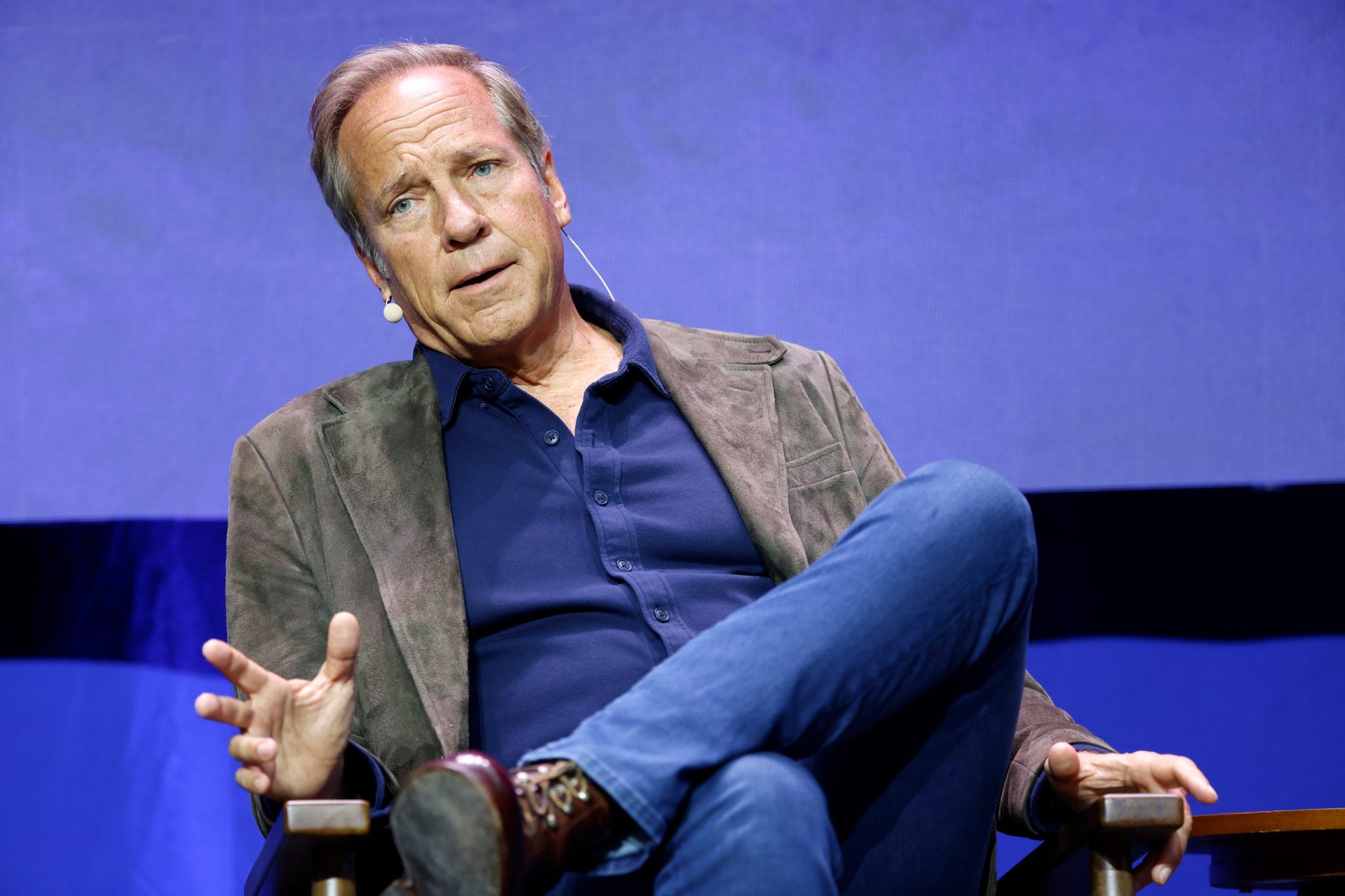
Mike Rowe offered a blunt way to describe America's skilled-worker shortage: The country is losing tradespeople faster than it is replacing them.
"For every five tradespeople who retire this year, two replace them," Rowe said during a Ford Pro Accelerate panel on workforce development. "Five out, two in. I don't care how you vote. I don't care what your politics are. Math doesn't care either."
The host of Dirty Jobs has made variations of that argument for years. But at Ford's gathering, Rowe's warning about welders, electricians, and other skilled workers became the opening to a more expansive conversation with Education Secretary Linda McMahon and Michael Duffey, undersecretary for acquisition and sustainment at the U.S. Department of War, about what the country gets wrong when it treats college and career training as opposing paths.
The emerging argument was not merely that Americans need more people in the trades. It was that the language of "blue-collar" and "white-collar" may no longer describe the jobs employers need to fill—or the education workers need to navigate them. Try "purple," Rowe said.
Rowe argued the skilled-labor shortage has become difficult to dismiss as a routine hiring challenge. The shortage, he said, is "real," "wide," "getting wider," and "dangerous."
This is partly a question of demographics. More experienced tradespeople are retiring, while fewer young workers are entering fields such as welding, electrical work, plumbing, advanced manufacturing, and industrial maintenance.
"How long do you want to wait for your toilet to get fixed?" he said. "How long do you want to wait for the lights to come back on when you flip the switch?"
The gap also increasingly reaches into manufacturing and national defense. Rowe cited the submarine-industrial base as an illustration of the problem, describing shortages of welders and electricians at a time when the United States is trying to expand production capacity.
Rowe said he got a call in his capacity as CEO of the MikeRoweWorks Foundation from the BlueForge Alliance, which oversees 16,000 individual companies collectively charged with delivering nuclear-powered submarines. "These guys call me to say, 'Hey, we're having a hell of a time finding welders and electricians. Can you help?' I say, 'I don't know. How many do you need?'" And the number is massive: BlueForge says an estimated 100,000 workers in critical manufacturing trades are needed over the next 10 years for the next-generation submarine fleet.
Topics in this story
Gathered from external sources. Rights to this text belong to whoever originally published it.