Hands on: Tianji: Shadow of the Ancients
Hands on: Tianji: Shadow of the Ancients
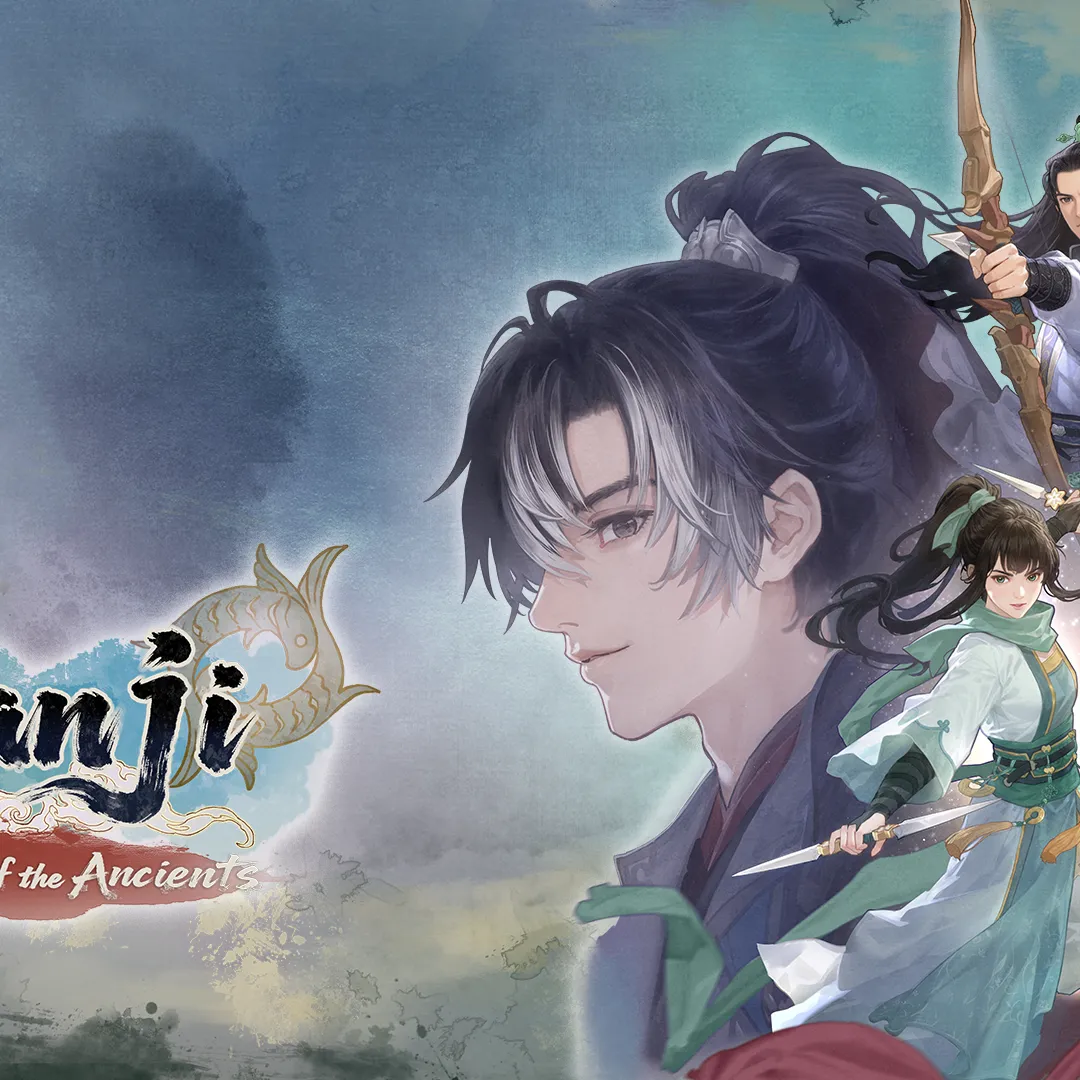
If Square Enix's ongoing success is any measure, HD-2D-style games have found a sizable audience and pumped fresh blood into this nostalgic offshoot of the RPG genre. It's not just JRPGs getting in on the turn-based action, however. Taipei-based developer Justdan have announced their own lovingly crafted RPG, Tianji: Shadow of the Ancients: itself a tribute to RPGs of yesteryear, albeit with a distinctly mainland-Asian twist.
Instead of magic, the reality-adjacent world of Tianji is set during the Tang Dynasty, in a land powered by Qi energy. Practitioners of Eastern martial arts will be familiar with the basic concept, but for the uninitiated, Qi energy resides in all living things. The trick is to harness Qi energy and use it for powerful, mystical means. So, yeah, it's still sort of magic - but the roots are a little different here.
Our main character, Shangguan Shuo, is dealt a rough hand early on and struck with amnesia by the nefarious Xuanxin Order; it's the classic adventurer's downfall. These folks really need to keep their helmets on at all times. Regardless, his head trauma kicks off a journey to rebuild his memory and uncover the reason for the strange voice in his head that is causing him to question his identity.
Along the way we meet a cast of characters eager to join your side and throw their lives into harm's way, turn after turn after turn. That's very noble of them.
Tianji: Shadow of the Ancients offers a charming blend of light exploration and deeper turn-based combat mechanics. Unlike Square Enix's pixellated sprite character rendering, Tianji's characters are razor-sharp 2D chibi-style interpretations of their more realistically proportioned key art likenesses. Still, they are imbued with plenty of little animated touches, emoting here and there throughout the in-engine cutscenes. Other cutscenes play out in a blend of ink-on-canvas inspired styles and more conventional 3D scenes.
Rendered via Unreal Engine 5, the world is presented in a combination of smaller 3D villages, towns, caves, forests and mountains. The camera tracks from a set distance, creating plenty of tasty depth of field effects.
The formula may seem familiar and the first couple hours are easy enough to dive into even if you're not particularly into turn-based RPGs, finding them slow and tedious. Personally, the deliberate pace of a turn-based RPG is where I find a lot of the charm, but results may vary, as they say.
To that end, the developers wisely made a few modern accommodations to speed up the gameplay for the ADHD-HD2D generation. Battles can be sped up - up to 2x the normal speed, and after levelling up a bit, you can automatically defeat lower levelled foes without transitioning into battle.
Progression follows a similar philosophy: a vertical skill tree with enough branches to feel like a real choice rather than a formality and skills that combine across the whole party instead of staying locked to whoever's swinging the sword that turn. Most of them lean into elemental strengths and weaknesses, too, which adds a layer of actual strategy on top of the button-mashing instinct turn-based combat usually beats out of you. One skill on show, Scattered Stars II, fires three hits at random targets and, on a critical hit, just goes again for free. That's a good preview of how deep the tree might get once you're a dozen hours in.
You'll also pick up companions along the way (see: the noble idiots mentioned earlier, throwing themselves into harm's way on your behalf) and each comes with a personal side story and a skill nobody else has. Spend time with them and that skill improves, picking up things like weapon enhancement, cooking up buffs at camp, or trading away items you don't need for ones you do.
It's an old trick - party members that get better the more you actually use them, but it's a good one, and it gives you a reason to run the B-team once in a while instead of sticking with the strongest three forever.
Between fights, those Qi leylines aren't just flavour text either. They cut across the overworld map and, from the look of it, are tied to why this game is so preoccupied with its own scenery. Wander off the main road and there are hidden bosses, side quests and dungeons for the taking, which is the traditional reward for ignoring the quest marker in any RPG worth its salt.
Tianji: Shadow of the Ancients is currently pencilled in for 2027, heading to Steam, both generations of Switch and PS5. That's a wide net for a game this specific in its influences and a long way off besides.
Early days, then, but between the ink-wash scenery, an amnesiac lead with a voice in his head that isn't his own and a combat system that actually seems to want you paying attention, I'm cautiously optimistic about this one.
IGN was a guest of BiliBili for this preview event.
Topics in this story
Gathered from external sources. Rights to this text belong to whoever originally published it.