How The Oregon Trail became a generational icon
The story of Oregon Trail, one of the most iconic edutainment computer games of all time, on Version History.
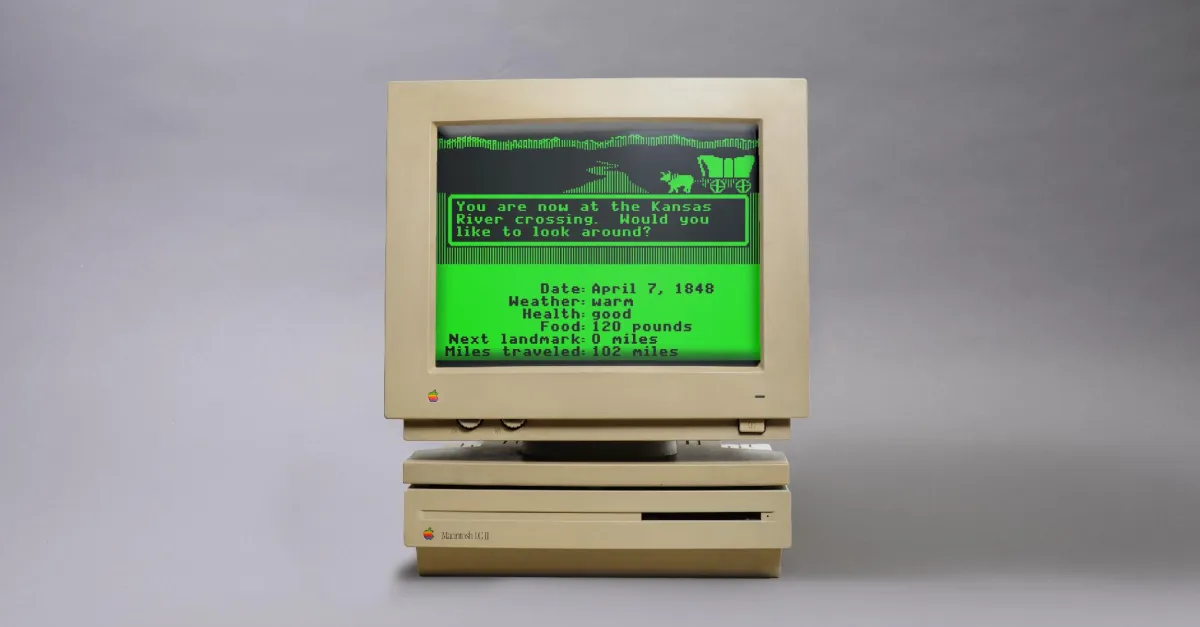
Whether you played it in the back of your classroom or on your computer at home, if you were a kid in the last 30 years you almost certainly grew up playing The Oregon Trail. On the season 5 premiere of Version History, our fearless wagon leader David Pierce is joined by gaming journalist Chris Grant and Philip Bouchard, the designer and team leader of the game’s most iconic version. They talk about the academic origins of The Oregon Trail, the game’s complicated legacy, and whether anyone ever really died of dysentery. This is the first episode of the fifth season of Version History, and this time we’re going back to school. In the weeks to come, we’re taking on the iconic TI-84 graphing calculator, One Laptop Per Child, Chromebook, LeapPad, and the overhead projector. Plus, this Friday, we’ll livestream a playthrough of The Oregon Trail from The Verge’s YouTube channel. Find out which Verge staffers make it to the end, and which ones fall along the way. Here’s how to get every episode as soon as it drops: * The Version History podcast feed * The Version History YouTube channel * Our TikTok and Instagram accounts If you’re a Verge subscriber, you can also get access to Version History (and all our other podcasts) with no ads. All you have to do is visit your account settings. If you want to know more about The Oregon Trail, here are some links to get you started: * From Gaming Historian: The Story of The Oregon Trail * From The Atlantic: Going West: The World of Live Action, Competitive Oregon Trail * From Epic Games: Representing history: the many faces of The Oregon Trail * From died-of-dysentery.com: A Brief History of the Oregon Trail Game * From BBC: 50 years of The Oregon Trail: The hidden controversies of a video game that defined the US
Topics in this story
Gathered from external sources. Rights to this text belong to whoever originally published it.