PlayStation Claims Digital Games Are Not Really Owned by Players in Response to Class-Action Lawsuit
Sony has given a divisive response to a class-action lawsuit that argues the PlayStation online store doesn’t make it obvious enough that players are merely purchasing a revocable license to play a game, and not the game itself.
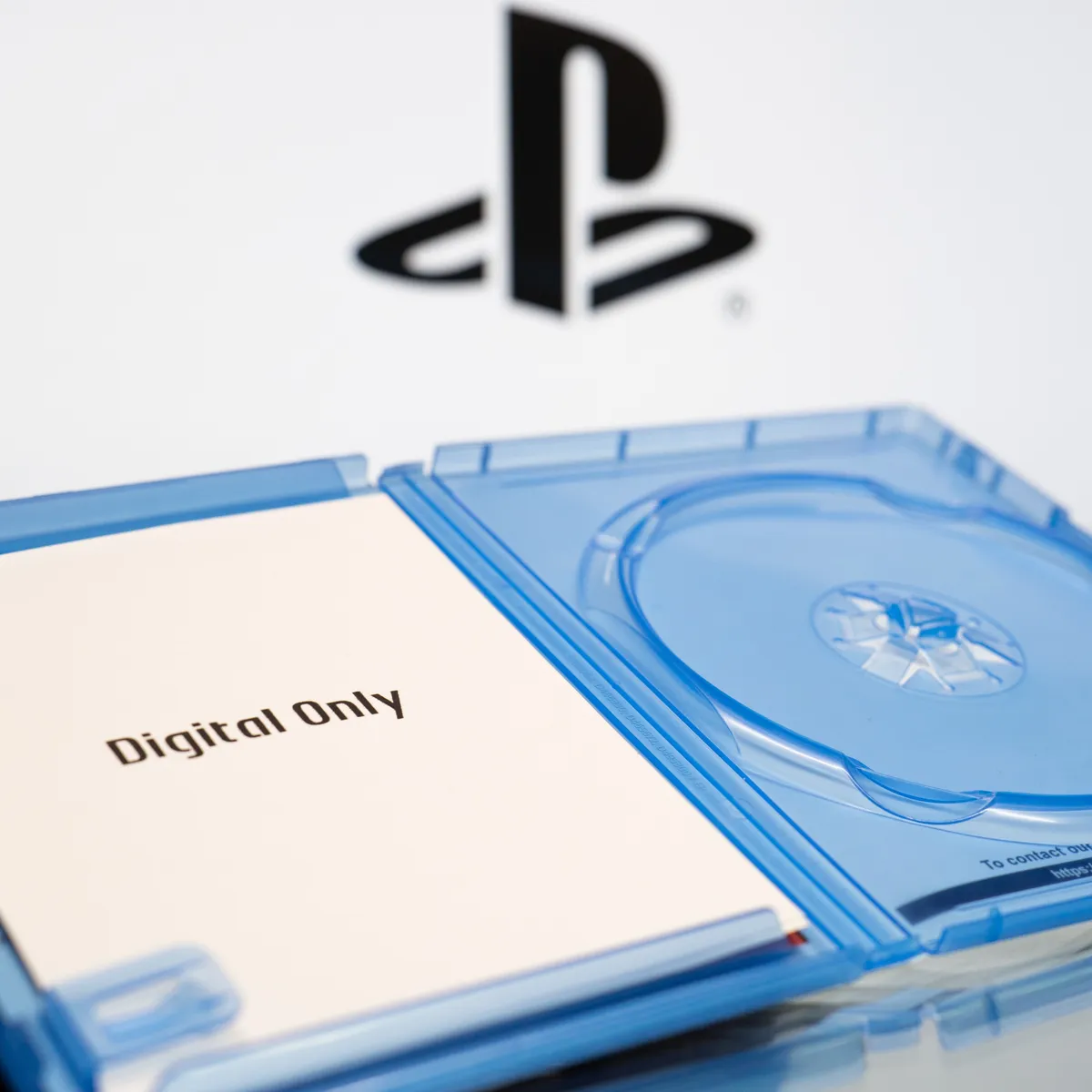
Sony has given a divisive response to a class-action lawsuit that argues the PlayStation online store doesn’t make it obvious enough that players are merely purchasing a revocable license to play a game, rather than owning the entire game itself.
The lawsuit, filed on June 18, 2026, says PlayStation “fails to clearly and conspicuously disclose to consumers at the point of sale that these transactions do not convey ownership of the digital games.” It argues that the company “relegates this information to inconspicuous text or separate agreements that consumers are not required to affirmatively acknowledge.”
This, at least, is true; before checking out on PlayStation’s digital storefront, a message is displayed in small text that reads: "By selecting [Confirm Purchase], you agree to complete the purchase in accordance with the PlayStation Terms of Service before using this content. You further acknowledge that your purchase of this digital product amounts to a license subject to the Software Product License Agreement.”
PlayStation has now provided its retort to this lawsuit. In an August 21 filing in California’s Northern District Court, it argues that it has done enough to make it obvious that customers are simply buying a license, rather than the full game for their permanent ownership.
“As Plaintiffs admit, Section 1 of the SPLA likewise explains that ‘The Software is licensed to you, not sold.’ This makes sense. In the digital age, it is not plausible to allege that reasonable consumers believed they were obtaining ‘ownership’ of a digital game. Were that the case, then Plaintiff Edward Heycock would not have been able to obtain the game Resident Evil Requiem on February 25, 2026 for $69.99 from the PlayStation Store after Plaintiff Jason Mendoza had obtained Resident Evil Requiem on February 14, 2026, because Mr. Mendoza, not Sony, would have owned it then," the company's response reads.
Needless to say, this reply has sparked a fierce wave of backlash from players on social media, who are already riled up over Sony’s decision to end the production of physical game discs starting January 2028. With this context in mind, many feel Sony’s counterargument is downright malicious: If the company continues to pursue an all-digital future, then players will truly own nothing outright, as the game licenses on Sony’s digital storefront can simply be yanked away at any time.
“‘The Software is licensed to you, not sold.’ Then why does the page say I'm ‘Buying’ it? Sounds like false advertisement to me,” one wrote on X.
“They can't simply take away your full game if you have the full file installed and it’s working and complete without the need of servers, and also can't make unaccessible or unplayable for no reason,” another argued.
“The United States needs to pass a law to catch up with the era of digital media. I should be able to own what is sold to me, and I should be able to do whatever I want to do with what I own,” another urged .
If “license” is being used as the legal mechanism that transforms an ordinary purchase into a restricted permission, shouldn't the law define what a consumer license actually is, rather than allowing every publisher to construct its own version and then rely on the same word to… — aCat (@Alex1Ne0) August 29, 2026
If “license” is being used as the legal mechanism that transforms an ordinary purchase into a restricted permission, shouldn't the law define what a consumer license actually is, rather than allowing every publisher to construct its own version and then rely on the same word to…
“The Software is licensed to you, not sold.” Then why does the page says I'm "Buying" it? sounds like false advertisement to me. pic.twitter.com/bvIz5J4iy9 — Backlog Dragon - Gaming VTuber (@BacklogDragon) August 29, 2026
“The Software is licensed to you, not sold.” Then why does the page says I'm "Buying" it? sounds like false advertisement to me. pic.twitter.com/bvIz5J4iy9
If a company sells you a digital license, it must guarantee permanent access to a downloadable copy of the licensed product If the company shuts down, abandons the product, or goes bankrupt, the game must automatically be transferred to an independent digital archive, together… — Rage Crusader (@RageCrusader) August 29, 2026
If a company sells you a digital license, it must guarantee permanent access to a downloadable copy of the licensed product If the company shuts down, abandons the product, or goes bankrupt, the game must automatically be transferred to an independent digital archive, together…
This argument is at the heart of another lawsuit the company is facing in Mexico. Brought forward in July, Mexican lawmakers allege that PlayStation is engaging in “anti-competitive practices” by choosing to end physical disc production, as it would severely limit competition from independent games retailers by forcing players to go through its digital storefront if they want to play PlayStation games.
PlayStation's online store is central to another lawsuit in the Netherlands, where Dutch Consumer Group Stichting Massaschade & Consument argues that its customers are getting charged more for digital games in comparison to customers in different countries.
Sony, for its part, has made no move to renege on its choice to kill physical games. In July, the company's chief financial officer, Lin Tao, said it will "cautiously move this forward" with this plan, claiming that it is keeping players' high emotions around the topic in "consideration."
"In the future digital ecosystem, how do we engage the gamers is something that we would like to continue to explore," she said.
Virginia (she/her) is IGN’s News Editor. With ten years of experience reporting on games and entertainment, she’s got a storied background in the fighting game community, influencer news, and viral online trends. Find her on Twitter at @TheeMissGlaze .
Topics in this story
Gathered from external sources. Rights to this text belong to whoever originally published it.